
Body Alignment Near Me: How Proper Alignment Improves Mental Health
Stress often manifests in obvious ways. Maybe your heart races before a big presentation, or you find yourself snapping at a loved one after a long day. But sometimes, stress hides in plain sight, tucked away in the curvature of your spine or the tilt of your pelvis. We often think of mental health as existing solely in the brain, but the connection between the body and mind is far more literal than many realize.
When your body is out of alignment, it doesn’t just cause a stiff neck or an aching lower back. It sends a continuous stream of distress signals to your nervous system. This physical tension can translate directly into mental tension, creating a feedback loop where anxiety tightens your muscles, and tight muscles fuel your anxiety. Breaking this cycle requires looking beyond just relaxation techniques and addressing the structural foundation of your body.
If you’ve been searching for “body alignment near me” in hopes of fixing your posture, you might be surprised to find that the benefits extend far beyond standing up straighter. Correcting your alignment can be a powerful tool for stress relief, emotional regulation, and overall mental well-being. Let’s explore how the geometry of your body influences the chemistry of your brain.
Understanding Body Alignment: More Than Just Posture
When people hear “body alignment,” they often picture a military recruit standing at attention or a ballet dancer with perfect poise. While good posture is the visible result of good alignment, the concept goes much deeper than how you look in a mirror.
What Is Body Alignment?
Body alignment refers to the optimal positioning of your joints and bones relative to one another. When your body is aligned, your weight is distributed evenly across your skeletal structure. Your head sits squarely over your shoulders, your shoulders over your hips, and your hips over your knees and ankles. This vertical stacking allows gravity to flow through you efficiently, rather than fighting against you.
Think of your body like a skyscraper. If the steel beams on the 10th floor are slightly askew, the stress on the 20th and 30th floors increases exponentially. The building might stand, but the structural integrity is compromised. Similarly, when your spine is misaligned, your muscles have to work overtime just to keep you upright. This constant, low-level exertion drains your energy reserves and keeps your body in a state of subtle, chronic vigilance.
The Role of the Central Nervous System
Your spine houses the spinal cord, the superhighway of your central nervous system (CNS). The CNS is responsible for transmitting every sensation, command, and thought between your brain and your body. When the vertebrae of the spine are misaligned—a condition chiropractic expert often call subluxation—it can create mechanical interference in the nervous system.
Proper alignment ensures that these neural pathways remain clear. It allows for efficient communication between the brain and the rest of the body, regulating everything from your heart rate to your digestion. When the structure is sound, the function follows suit.
Body Alignment Service
The Hidden Costs of Misalignment
We live in a world designed to pull us out of alignment. We hunch over smartphones, slump in office chairs, and drive for hours in traffic. Over time, these habits reshape our bodies, leading to chronic misalignment. The consequences of this are physical, of course, but the mental toll is often overlooked.
The Physical Impact
The most immediate sign of misalignment is pain. This might manifest as:
- Chronic headaches or migraines: Often caused by tension in the cervical spine (neck).
- Joint pain: Uneven wear and tear on knees and hips.
- Fatigue: Your body burns significantly more energy holding up a misaligned structure than an aligned one.
- Reduced range of motion: Stiffness that makes daily activities feel like a chore.
The Mental and Emotional Impact
While pain is a loud signal, the subtle effects on your mental state can be just as debilitating.
- The Fight-or-Flight Response: When your spine is misaligned, it can stimulate the sympathetic nervous system—the part of your autonomic nervous system responsible for the “fight or flight” response. This floods your body with stress hormones like cortisol and adrenaline. You might feel anxious or “on edge” without a clear psychological trigger, simply because your body is stuck in a defensive posture.
- Shallow Breathing: Poor posture, particularly the common “forward head” posture and rounded shoulders, compresses the thoracic cavity. This restricts the movement of the diaphragm and prevents you from taking deep, restorative breaths. Shallow breathing is a direct trigger for anxiety, signaling to the brain that you are in danger.
- Decreased Resilience: Chronic pain and physical discomfort chip away at your emotional resilience. It is much harder to handle a difficult coworker or a traffic jam when you are already battling a tension headache. Misalignment lowers your threshold for stress, making small annoyances feel unmanageable.
How Proper Alignment Improves Mental Health
Correcting your alignment does more than fix a sore back; it acts as a reset button for your nervous system. By restoring the natural curves and balance of the spine, you open the door to profound mental health benefits.
Activating the Relaxation Response
Just as misalignment triggers the stress response, proper alignment supports the parasympathetic nervous system. This is the “rest and digest” mode where healing and regeneration occur. When the spine is aligned, particularly in the upper neck area (the cervical spine), it can help lower heart rate and blood pressure, signaling to the brain that it is safe to relax. This shift from sympathetic to parasympathetic dominance is essential for genuine stress relief.
Enhancing Mood through Neurochemistry
There is evidence to suggest that posture affects hormone production. A famous study often cited in psychology suggests that “power posing”—standing tall with an open chest—can decrease cortisol (stress hormone) and increase testosterone (associated with confidence). While the science is evolving, the subjective experience is undeniable: standing tall makes you feel more capable and confident.
Furthermore, reducing the mechanical stress on the spinal cord may improve the flow of cerebrospinal fluid and blood to the brain, optimizing the delivery of neurotransmitters like serotonin and dopamine, which are crucial for mood regulation.
Improving Sleep Quality
Sleep is the cornerstone of mental health. It is when your brain processes emotions and your body repairs itself. However, misalignment can make it difficult to find a comfortable sleeping position, leading to tossing, turning, and fragmented rest. By restoring alignment, you reduce physical discomfort, making it easier to fall asleep and stay asleep. Better sleep leads directly to better emotional regulation and cognitive function the next day.
Deepening the Breath
When you straighten your spine and open your chest, your diaphragm has room to move freely. This allows for deep, belly breathing. Deep breathing stimulates the vagus nerve, which runs from the brainstem down to the abdomen. Vagus nerve stimulation is a well-documented way to rapidly reduce anxiety and lower stress levels. Proper alignment makes this kind of breathing natural and effortless, rather than a struggle.
Gateway Chiropractic: Your Partner in Alignment
If you are searching for “body alignment nearby” and want a holistic approach that respects the connection between the spine and the mind, Gateway Chiropractic is an excellent resource to consider.
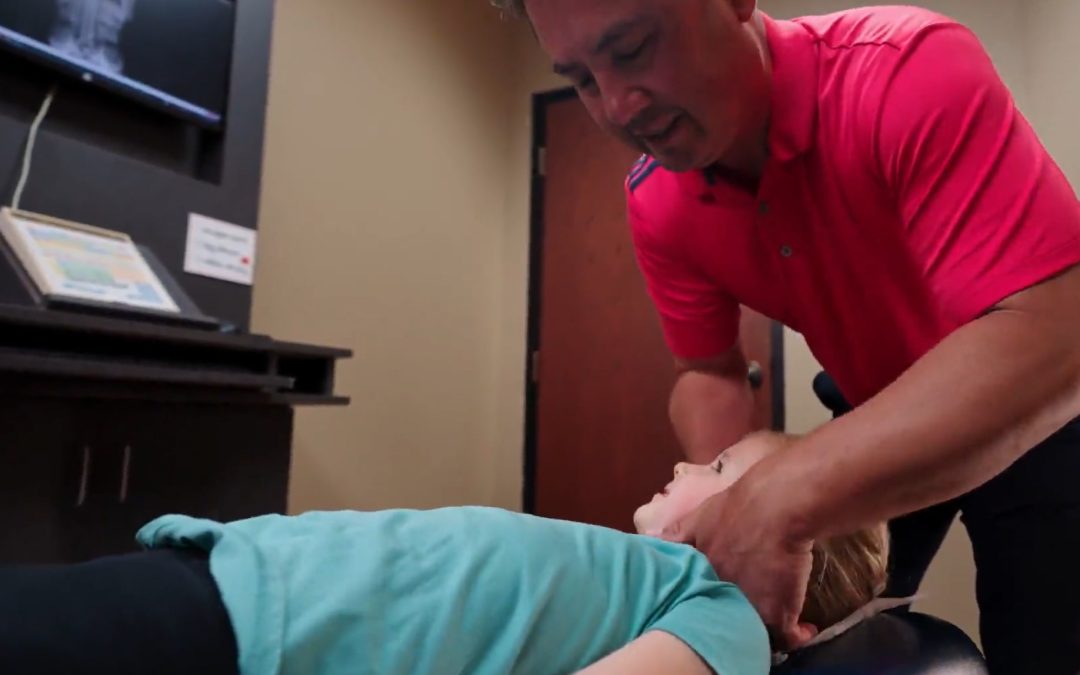
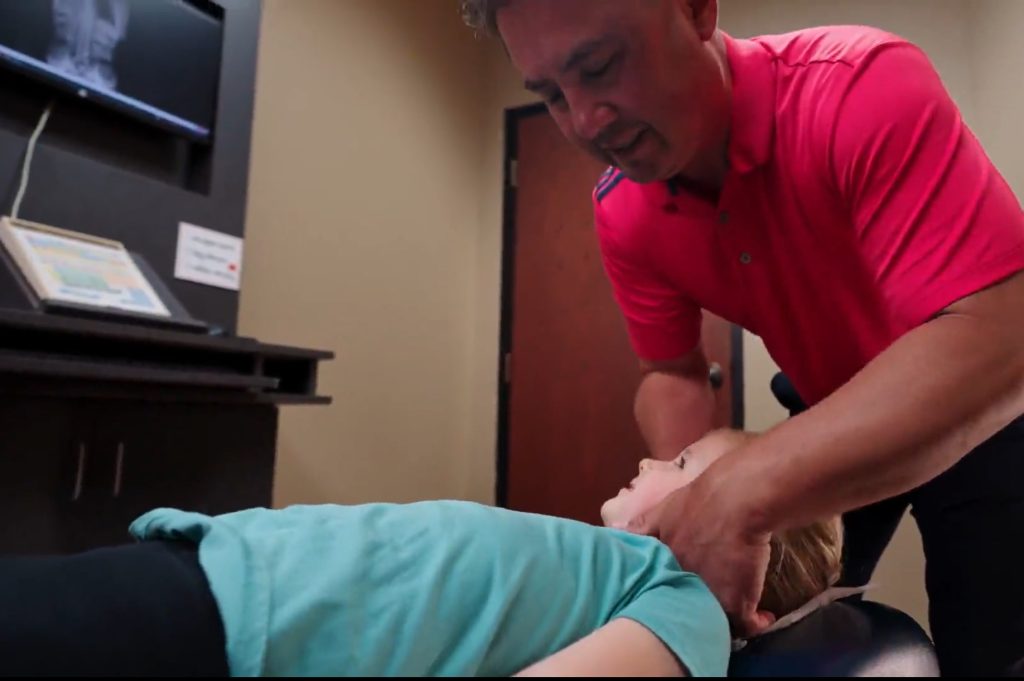
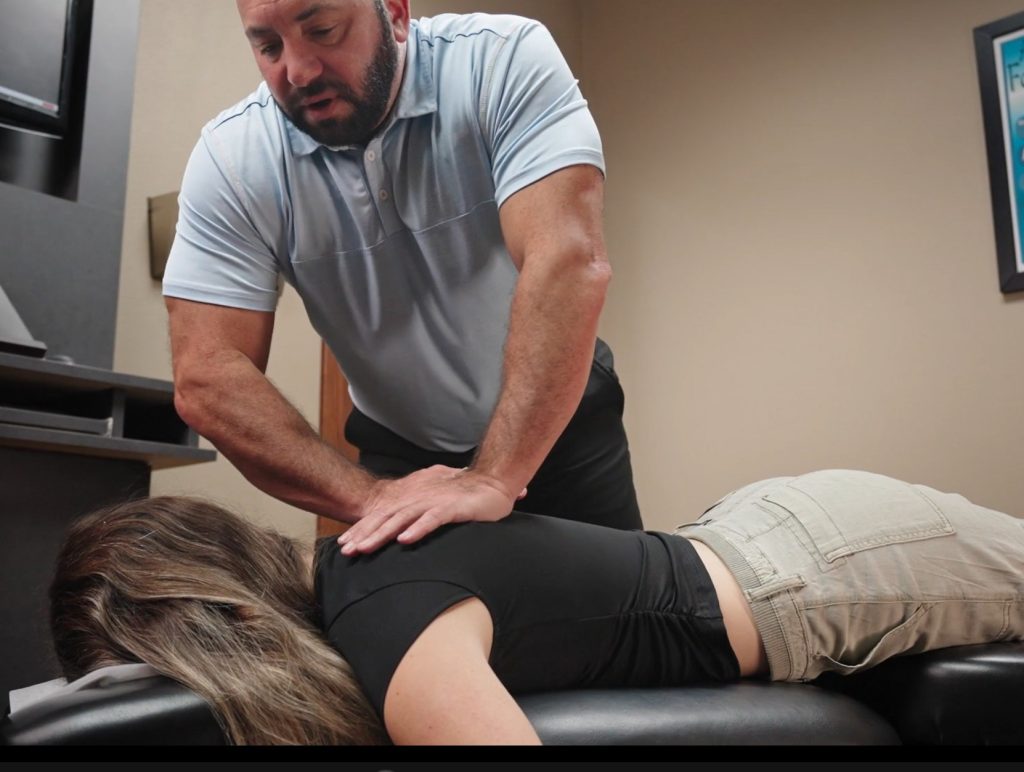
Chiropractic care is not just about “cracking backs.” It is a health discipline grounded in the relationship between structure (the spine) and function (the nervous system). At Gateway Chiropractic, the focus is on identifying exactly where your body has deviated from its optimal alignment and using precise adjustments to correct it.
What to Expect
When you visit a provider like Gateway Chiropractic, the process typically begins with a thorough assessment. They may look at your gait, your standing posture, and the mobility of your spine. They aren’t just looking for pain points; they are looking for the root cause of the tension.
Through gentle, targeted adjustments, they work to restore motion to “stuck” joints and align the vertebrae. For many patients, the relief is immediate. It’s not uncommon for people to leave an adjustment feeling lighter, taller, and strangely calm. That “calm” is the sound of a nervous system that has finally stopped shouting.
By integrating chiropractic care into your wellness routine, you aren’t just treating back pain; you are investing in a foundational pillar of your mental health strategy.
Body Alignment
Practical Tips for Improving Body Alignment
While professional care is often necessary to correct structural issues, your daily habits play a massive role in maintaining that alignment. Here are practical steps you can take today to support your spine and reduce stress.
The “Tech Neck” Check
We spend hours looking down at screens. To counteract this:
- Raise your phone to eye level instead of dropping your head.
- Ensure your computer monitor is at a height where your gaze hits the top third of the screen.
- Every 20 minutes, look up and gently retract your head, as if making a “double chin,” to lengthen the back of your neck.
Ergonomic Adjustments
If you sit at a desk, your setup is critical.
- Feet: Keep them flat on the floor. If they don’t reach, use a footrest.
- Hips: Your knees should be at or slightly below hip level.
- Support: Use a lumbar pillow to maintain the natural inward curve of your lower back.
Mindful Walking
Pay attention to how you walk. Do you look at the ground? Do you slouch? Try to imagine a string attached to the crown of your head, pulling you gently toward the sky. Engage your core slightly to support your lower back and let your arms swing naturally. Walking with intention can be a moving meditation that reinforces good alignment.
Core Strengthening
Your spine relies on your core muscles for stability. If your abs and back muscles are weak, your skeletal structure takes the brunt of the load. Incorporate gentle core exercises like planks, bridges, or bird-dogs into your routine. A strong core acts as a natural corset, holding you in alignment throughout the day.
Daily Stretching
Tight muscles pull bones out of place. Focus on stretching the areas that get tight from modern living:
- Chest openers: To counteract slouching. Clasp your hands behind your back and gently lift them while opening your chest.
- Hip flexor stretches: Sitting shortens the hip flexors, which can pull on the lower back. Lunges can help lengthen them.
- Hamstring stretches: Tight hamstrings can tilt the pelvis and flatten the lower back curve.
Align Your Body, Ease Your Mind
The separation between mind and body is an illusion. We are a single, integrated system where structure dictates function and feeling. If you have been battling stress, anxiety, or brain fog and haven’t found relief through traditional mental health avenues, it might be time to look at your physical foundation.
Seeking out “body alignment near me” is a proactive step toward reclaiming your calm. Whether it’s through the expert hands at Gateway Chiropractic, ergonomic changes, or mindful movement, improving your alignment reduces the noise in your nervous system. It creates a vessel that is strong enough to carry the weight of the world, but open enough to let the stress flow through, rather than getting stuck.
Gateway Chiropractic
https://maps.app.goo.gl/GxjYazVHnGYNgG8b8
4070 W Spencer St, Appleton, WI 54914
(920) 944-6371
http://gatewaychiro.com/