
How Tirzepatide and Semaglutide Work Differently Imagine two medicines that both calm cravings and sharpen blood-sugar control, yet speak to the body in different dialects. One activates the GLP-1 receptor, slowing gastric emptying, enhancing insulin release and reducing appetite; its story is focused, well-mapped and has reshaped diabetes care. The other pairs GLP-1 activity with GIP agonism, adding another hormonal voice that further amplifies insulin response and may change how fat tissue and hunger signaling behave. Clinically this duet often produces larger average weight loss and potent glycemic lowering, though individual responses vary. Side-effect profiles overlap—nausea and GI upset are common—but the dual agonist can bring distinct metabolic shifts that researchers are still decoding. For patients and clinicians the choice becomes a balance between extra efficacy, tolerability, dosing patterns and long-term safety data, with ongoing trials refining when each approach is preferable for different patient profiles. Comparing Tirzepatide and Semaglutide: Which Wins?
Agent Primary action Semaglutide GLP-1 agonist — slows gastric emptying, increases insulin, reduces appetite Tirzepatide GIP + GLP-1 agonist — combined incretin effects, enhanced insulin response, greater weight-loss potential
Head-to-head Effectiveness: Weight Loss and Glycemic Control
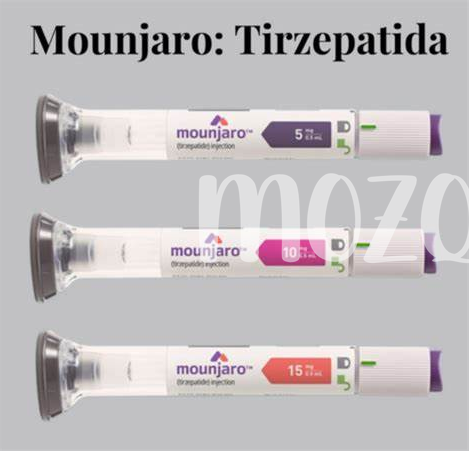
In recent trials, tirzepatide has stunned clinicians with greater average weight reductions than semaglutide, often producing double-digit percentage losses over months. Patients describe rapid appetite suppression and measurable metabolic shifts, suggesting dual incretin activity translates into stronger fat loss while improving insulin sensitivity.
Both drugs lower HbA1c, but head-to-head studies report tirzepatide often achieving greater glycemic reductions alongside weight loss, allowing dose simplification for some patients. Clinicians weigh durability, hypoglycemia risk, and individual response patterns when choosing therapy, tailoring decisions to goals, comorbidities, patient preference and long-term outcomes and economics.
Side Effects, Safety Profiles, and Long-term Risks
When patients decide which therapy fits their lives, tolerability often matters as much as efficacy. Gastrointestinal symptoms—nausea, vomiting, diarrhea, early satiety—are the most frequent complaints and usually subside with gradual dosing, though they can affect adherence and daily routines.
Cardiometabolic benefits are promising, yet rare risks like pancreatitis, gallbladder disease, and possible thyroid C-cell changes remain under investigation. Recent data show tirzepatide delivers larger weight reductions but necessitates vigilant monitoring and informed shared decision-making.
Long-term safety signals are evolving; registries and post-marketing surveillance will clarify rare adverse events and durability of benefits. Clinicians should personalize therapy considering comorbidities, pregnancy potential, and patient preferences, documenting risks and following evidence as it emerges to guide future care.
Patient Experience: Injection Schedules and Tolerability
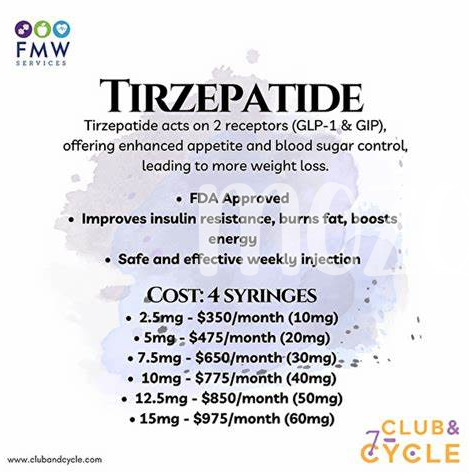
Many patients describe starting tirzepatide or semaglutide as a cautious adventure: learning weekly injections, titration steps, and managing predictable nausea. Semaglutide is usually dosed once weekly with established titration schedules; tirzepatide follows similar weekly injections but often requires different stepwise increases to reach higher doses. Clinics emphasize clear instructions and support programs to reduce anxiety and improve adherence, and the predictable timing of doses helps integrate treatment into busy lives.
Tolerability varies: gastrointestinal symptoms—nausea, vomiting, diarrhea, constipation—are common early and typically lessen over weeks, while rare but serious events like pancreatitis or gallbladder disease demand vigilance. Many patients report improved appetite control and energy as side effects abate, which enhances quality of life and persistence. Shared decision-making about dose escalation, antiemetic strategies, and follow-up visits can personalize therapy and optimize outcomes. Peer support networks and digital reminders further boost adherence.
Cost, Access, Insurance Coverage, and Global Availability
Rising pricing and constrained supply shape who can obtain new therapies. Clinics prioritize patients with highest medical need, while others struggle to keep tirzepatide on formulary, creating disparities.
Payer policies differ: many require prior authorization or trials of older drugs, so patient outlays can be prohibitive. Manufacturer assistance programs exist but reach is inconsistent.
| Payer | Aid |
|---|---|
| Manufacturer | Assistance |
Clinicians emphasize shared decision making when supply or personal finances limit choices. Telemedicine, specialty pharmacies, and scaled manufacturing could widen reach, but policy action will be required to ensure equity for patients.
Clinical Trials, Real-world Data, and Future Directions
Large randomized studies have showcased dramatic weight loss and improved glucose control with both agents, with one often showing greater mean reductions. Real world cohorts reinforce these benefits across diverse populations, though adherence and comorbidities influence outcomes. Head to head and subgroup analyses help clarify who benefits most.
Remaining questions include long term safety, cardiovascular outcomes, optimal treatment duration, and strategies for tapering or combining therapies. Ongoing studies and registries will inform personalized selection, new formulations, broader access and global implementation, ultimately guiding clinicians toward safer, more effective, individualized care.