
Timing Your Dose: When Food Matters Most Imagine your morning routine as a relay: levothyroxine is the baton that needs a clear track. Take it on an empty stomach, ideally 30 to 60 minutes before breakfast — that quiet interval lets the hormone pass through the gut without interference. Skipping this window or pairing the pill with a meal can reduce absorption and force dose changes later, so consistency beats convenience when the goal is steady thyroid control. If mornings are rushed, set a steady habit: either take your dose first thing and delay food, or pick a consistent alternate time such as bedtime, separating medication from dinner by at least two hours. Whatever you choose, use the same routine daily and tell your clinician about exact timing so blood tests accurately reflect thyroid levels. Small timing tweaks have big effects on symptom stability and treatment success overall. Diet and Synthroid: Foods That Affect Absorption
Timing Reason 30–60 minutes before breakfast Optimizes absorption At least 2 hours after dinner Alternative consistent timing
Calcium and Iron Supplements Block Absorption
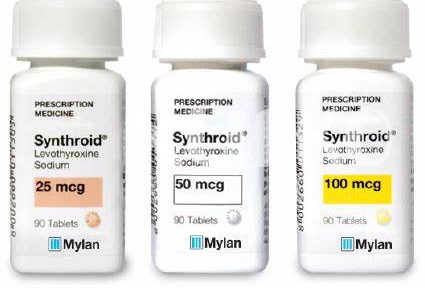
She learned the hard way that tiny pills and routines can collide. A daily synthroid tablet became unpredictable when supplements joined the lineup.
Calcium and iron bind thyroid hormone in the gut, reducing how much medication reaches the bloodstream. That interaction can make symptoms return or lab numbers fluctuate.
To avoid this, take synthroid on an empty stomach, then wait at least four hours before calcium or iron supplements. Consistent spacing preserves steady hormone levels.
Talk with your clinician before changing supplements; sometimes alternatives or adjusted timing solve the problem. Small timing tweaks often restore balance without sacrificing nutrition. Carry a simple log of doses and meals to track what works best for you now.
High Fiber Diets Can Reduce Medication Uptake
A morning runner switched to a bran-heavy breakfast and noticed erratic labs; soluble and insoluble fibers can bind tablets or speed transit, reducing levothyroxine absorption. Small changes in fiber timing around dose often restore steady levels. Even modest increases in whole grains or psyllium can make a measurable difference, often noticeable.
To keep synthroid effective, take medication on an empty stomach and wait 30 to 60 minutes before fiber-rich meals, or separate supplements by several hours. Discuss personal digestion patterns with your clinician to balance fiber benefits and thyroid control.
Soy Products Interfere with Thyroid Hormone

Imagine starting your day with a soy latte and then taking your morning dose of synthroid, a small choice that can ripple into confusing thyroid labs. Soy contains isoflavones that may reduce intestinal absorption of levothyroxine and, in iodine‑restricted situations, can influence thyroid function. Studies show that consuming soy within a few hours of medication can raise TSH or require dose adjustments. Monitoring and consistent timing can prevent surprises and limit unnecessary dose changes.
For most people the effect is modest but real; spacing medication at least 3 to 4 hours from soy foods, choosing fermented soy (tempeh) over processed soy isolates, and keeping diet consistent helps keep thyroid levels steady. Always discuss changes with your clinician and check thyroid tests after altering soy intake so your dose stays right for you. Predictable meal habits make lab follow-up simpler too.
Coffee, Grapefruit, and Certain Juices Delay Absorption
I once learned the hard way that a morning routine can change how much medication reaches your bloodstream. After taking synthroid with a rushed espresso, lab results showed levels were inconsistent. Caffeine, and the chemicals in certain citrus juices, can slow or reduce absorption, turning a precise dose into a variable one. Knowing which drinks interfere helps you avoid surprises and keeps your thyroid treatment reliable.
To minimize interactions, wait 30 to 60 minutes after taking synthroid before consuming coffee or citrus-based beverages, and avoid grapefruit entirely if advised. Small changes to timing and consistent habits make blood tests more predictable and symptoms easier to manage. Discuss beverage routines with your clinician; they can tailor advice based on labs and lifestyle so your dose delivers the steady support your body needs. Track timing to spot patterns.
| Item | Effect |
|---|---|
| Coffee | Delay |
Practical Meal Strategies for Consistent Thyroid Levels
Start by treating your thyroid medication like an appointment you can’t miss: take it first thing in the morning with a full glass of water on an empty stomach, then wait 30 to 60 minutes before eating. That quiet half hour lets levothyroxine absorb consistently, reducing day-to-day swings in blood levels. If mornings are chaotic, consider taking the dose at bedtime at least two hours after your last meal, but keep the timing consistent.
Separate calcium or iron supplements by at least four hours, and avoid high‑fiber meals right after dosing. Soy, grapefruit, and some juices can blunt absorption; save them for later in the day to keep levels steady.
Plan simple breakfasts, set phone reminders, and track when you take pills versus meals. Small consistent habits protect lab stability and make medication management far less stressful over time reliably.