
Understanding Nolvadex: Origin and Primary Uses Originating from the pharmaceutical giant AstraZeneca, Nolvadex, also known by its generic name tamoxifen, has become a cornerstone in medical treatment. Initially developed in the 1960s, it is primarily used to combat estrogen receptor-positive breast cancer by blocking estrogen's effects, a hormone crucial to the cancer’s growth. Because of its selective estrogen receptor modulation capability, Nolvadex also finds a role in preventing breast cancer in high-risk patients. Its medical applications are vast, showcasing its significance in both therapeutic and preventive healthcare strategies. Nolvadex Vs. Other Serms: a Comparative Analysis
Feature
Details
Origin
AstraZeneca, 1960s
Generic Name
Tamoxifen
Primary Use
Breast Cancer Treatment
Mechanism
Blocks effects of estrogen
Mechanism of Action: How Serms Work in the Body

Selective Estrogen Receptor Modulators, or SERMs, like Nolvadex, interact distinctively with estrogen receptors across various tissues. This complex interaction allows them to either block or activate estrogen's effects, depending on the tissue type. In breast tissue, Nolvadex exhibits antagonistic properties, effectively obstructing estrogen-related cellular proliferation, crucial in managing estrogen-receptor-positive breast cancer. Conversely, in other tissues such as bone and liver, SERMs can mimic estrogen's beneficial effects, aiding in bone density maintenance and cholesterol regulation. This dual-functionality underscores the significance of SERMs in tailored therapeutic strategies.
Nolvadex Vs. Clomid: Key Differences Explored
In the realm of selective estrogen receptor modulators (SERMs), Nolvadex and Clomid stand as significant contenders, each with distinct characteristics that cater to various medical needs. Nolvadex, known for its role in the management of hormone-responsive breast cancer, functions primarily by blocking estrogen receptors, thereby inhibiting cancer cell proliferation. On the other hand, Clomid is renowned for its application in infertility treatments, particularly in stimulating ovulation by encouraging the pituitary gland to release hormones necessary for ovulation.
While both drugs share the commonality of modulating estrogen effects, their specific mechanisms and targets within the body mark their divergence. Nolvadex is chiefly employed in oncology, leveraging its ability to impede estrogen-driven cancer growth. In contrast, Clomid's primary focus lies in reproductive endocrinology, jump-starting the body's hormonal cascade to promote fertility. Understanding these distinctions not only clarifies their respective uses but also highlights the broad spectrum of therapeutic applications for SERMs in medicine today.
Comparing Side Effects: Nolvadex and Other Serms
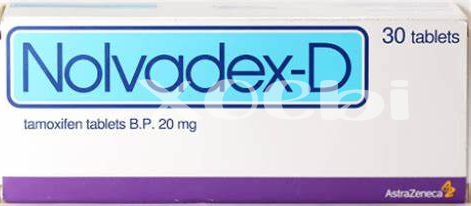
When it comes to side effects, Nolvadex, like other Selective Estrogen Receptor Modulators (SERMs), isn't without its challenges. Nolvadex is often associated with potential side effects such as hot flashes, nausea, and an increased risk of thromboembolic events. These adverse effects stem from its mechanism of action, which involves modulating estrogen receptors in various tissues.
Conversely, other SERMs, such as Clomid, might present a different side effect profile, including mood swings and vision changes, making the choice between them crucial based on patient needs and medical history. Understanding how these side effects compare can influence treatment decisions and guide healthcare providers in personalized patient care.
Efficacy in Breast Cancer Treatment: a Review
Nolvadex, also known by its generic name tamoxifen, has long been a cornerstone in the management of estrogen receptor-positive breast cancer. By competitively binding to estrogen receptors, Nolvadex blocks the proliferative action of estrogen on mammary tissues, effectively slowing down tumor growth and recurrence. Clinical trials have consistently demonstrated Nolvadex's ability to reduce the risk of breast cancer recurrence and mortality compared to placebo, establishing it as a standard treatment option.
| Drug | Mechanism | Primary Benefit |
|---|---|---|
| Nolvadex | Estrogen receptor antagonist | Reduces tumor growth and recurrence |
Additionally, studies have shown that patients on Nolvadex experience improvements in breast density, an indicator often used in predicting cancer development. While its side-effect profile requires careful management, the efficacy of Nolvadex as a therapeutic agent in breast cancer treatment remains unrivaled. It continues to be a vital part of treatment regimens, offering hope and improved outcomes for many patients globally.
Beyond Breast Cancer: Exploring Other Serm Applications
While Nolvadex is primarily renowned for its role in breast cancer therapy, its utility extends into various other medical fields, revealing the remarkable versatility of Selective Estrogen Receptor Modulators (SERMs). For instance, in the realm of fertility treatment, SERMs like Clomid are well-known for inducing ovulation, providing hope for countless couples experiencing infertility. Nolvadex has similarly found its place in treating gynecomastia, a condition characterized by the enlargement of breast tissue in males, showcasing its ability to modulate hormone activity effectively.
Additionally, Nolvadex's capability to maintain bone density offers intriguing potential in managing osteoporosis, a common concern that escalates with age and hormonal changes. Such broad applications underline the importance of SERMs in comprehensive healthcare, providing significant benefits beyond their initial oncologic niche. Their expanding use in diverse medical specialties emphasizes the ongoing exploration and innovation in hormonal therapies.