
How Lisinopril Alters Chemistry Leading to Cough A pill meant to steady blood pressure can also change lung chemistry in unexpected ways. It nudges enzyme balance, slowing breakdown of small signaling molecules that normally quiet airway nerves. Those molecules accumulate and sensitize cough receptors, producing a dry, persistent tickle that feels distinct from infection. Understanding this chemistry helps patients and clinicians weigh benefits against bother, guiding solutions such as drug switches or symptom relief while monitoring for rare but serious reactions that require immediate medical attention and reporting changes promptly to providers today. Ace Inhibitor Cough: Why Lisinopril Causes It
Mechanism Effect Bradykinin Cough
Bradykinin Buildup: the Invisible Irritant Explained Simply

Imagine tiny messengers piling up in your airways, tickling nerves and nudging a cough reflex.
Lisinopril blocks an enzyme that normally breaks these molecules down, so they accumulate.
As levels rise, airway nerves become more sensitive and mild inflammation follows, creating a persistent, dry cough that can disrupt sleep and daily life.
Understanding this invisible irritant explains why some patients stop the drug and feel immediate relief, guiding safer treatment choices. If a cough starts, report it promptly so your doctor can consider alternatives and check for unrelated lung conditions.
Who’s at Risk: Genetic and Demographic Susceptibility
She started lisinopril for blood pressure and soon noticed a dry, persistent cough that felt out of proportion to a cold. Stories like hers are common because individual biology, genes, and background shape how the drug affects airways.
Variants in enzymes that break down bradykinin and substance P can make some people far more sensitive; specific ACE gene polymorphisms and lower metabolic activity raise the chance of cough. Epidemiologically, women and people of East Asian descent report higher rates, and older adults or those with prior respiratory conditions are also more susceptible.
Check family history and mention ethnicity when discussing lisinopril with your clinician. If cough emerges, report it early; ACE alternatives are often effective.
Symptoms, Timing, and When to Seek Help
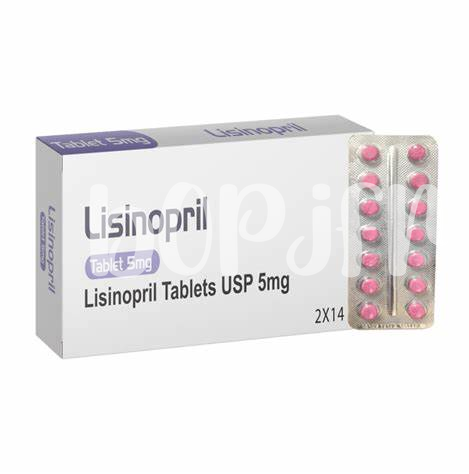
Many people start lisinopril and notice a dry, persistent cough that can begin days to months after the first dose. It often feels tickly or comes in fits, worse at night or when lying down; some describe it as an irritating, unproductive hack rather than congested phlegm. Although benign in most cases, the cough can affect sleep, exercise tolerance, and quality of life, prompting patients to mention it during follow-up visits.
Seek medical advice if the cough is accompanied by breathlessness, chest pain, high fever, swelling, or if it suddenly worsens. A clinician can assess whether lisinopril is the likely cause and recommend stopping the drug or switching to an alternative, and may order tests if other causes are suspected. For mild, isolated coughing, timing and symptom tracking often guide the decision before changing therapy to ensure safe ongoing care.
Managing the Cough: Alternatives and Practical Tips
After weeks on lisinopril I imagined the cough as a minor annoyance; learning it stems from chemical shifts makes it less mysterious. Simple practical steps help: stay hydrated, use humidifiers at night, avoid smoke and strong fragrances, and try throat lozenges. Over-the-counter remedies like honey or antihistamines sometimes reduce irritation, while monitoring how cough changes is essential.
If the cough persists or disrupts sleep, contact your clinician; they can assess for alternatives and consider switching drug classes. Many patients improve when ACE inhibitors are replaced with angiotensin receptor blockers, with cough often resolving within days to weeks. Keep a simple diary of timing, triggers and severity to help your clinician make a safer, personalized choice.
Switching Drugs: Safer Options and What to Expect
When the persistent tickle from lisinopril becomes unbearable, many patients switch to an angiotensin receptor blocker such as losartan or valsartan. These alternatives block the same pathway without raising bradykinin, so cough usually subsides. Talk to your clinician before stopping medication and expect a brief adjustment period.
Expect blood pressure checks and lab monitoring (kidney function, potassium) after the switch; some people notice dizziness or elevated potassium. Cough often improves within days to a few weeks, but if it lingers, follow up — other causes may need investigation and treatment.