
Recognize Baclofen Dependence and Withdrawal Risk When I first tried to stop a long-prescribed muscle relaxant, subtle shifts in sleep and mood tipped me off that my body had grown used to steady doses. Awareness that dependence can develop even with legitimate use matters; recognizing changes early lets you act before symptoms escalate. Dependence involves physical adaptation, so suddenly stopping can provoke rebound muscle tightness, anxiety, and autonomic signs like sweating and rapid heart rate. Risk increases with higher doses and longer treatment, but it can occur at lower doses in sensitive individuals. Track daily symptoms, dose history, and ask your prescriber about tapering strategies. Early conversations and a planned reduction decrease withdrawal intensity and support safer recovery and emotional wellbeing. Managing Withdrawal When Stopping Lioresal Safely
Create Gradual Taper Plan with Physician Guidance
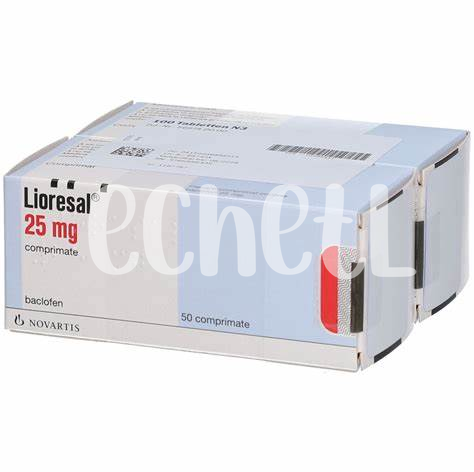
Start by discussing plans with a trusted clinician who knows your history; gradual dose reductions lower risk and allow monitoring. Describe your lioresal schedule, symptoms, and goals openly to set realistic steps.
Expect adjustments: clinicians may slow taper if withdrawal appears. Keep a symptom diary, report increased anxiety, insomnia, or return of spasticity, and ask about alternative meds or support therapies.
Coordinate follow-up frequency, lab checks, and emergency plans. Family involvement helps. Emphasize gradual pacing to balance safety and comfort while reducing dependence over weeks to months with professional oversight.
Identify Common Withdrawal Symptoms and Timeline
When I stopped lioresal with my doctor, the first 48 hours felt unsettling: restlessness, sleep trouble, sweating and mild tremors arrived unexpectedly. It felt odd to have symptoms fluctuate hour by hour.
Nausea, headache and increased muscle spasticity may follow; many people notice symptoms within 24 to 72 hours and the worst discomfort often peaks in the first week.
Severe reactions—like hallucinations, confusion, rapid heart rate and, rarely, seizures—require urgent attention and usually occur when withdrawal is abrupt rather than tapered.
Recovery can take weeks; milder symptoms fade over days, while protracted anxiety or sleep disruption may persist longer. Regular follow-up helps tailor the taper and manage lingering effects. Support from family or peers matters.
Medications and Therapies to Ease Withdrawal Distress
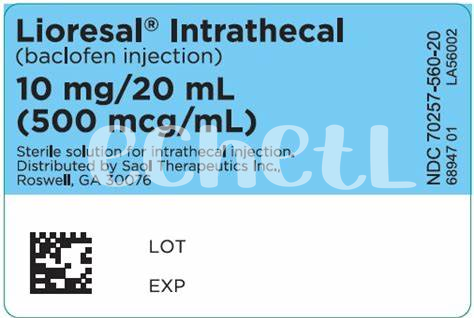
Facing withdrawal can feel like a storm, but targeted treatments help steady the course. Clinicians sometimes restart low-dose lioresal temporarily or use gradual taper schedules to reduce rebound symptoms. Short-term benzodiazepines may calm severe agitation and insomnia, while antiepileptic agents such as gabapentin or valproate are considered for seizure risk.
Autonomic signs—sweating, high heart rate, blood pressure spikes—respond to clonidine or beta blockers under supervision. Anti-nausea and analgesic medications address discomfort, and sleep aids support nocturnal recovery. For many people, psychological therapies, cognitive behavioral approaches, and close follow-up reduce relapse risk and help process anxiety during tapering.
Inpatient monitoring and rapid access to emergency care are essential when symptoms escalate. Physical therapy, hydration, and pacing activities promote functional recovery, while coordinated care teams tailor medication choices to medical history, balancing safety and comfort throughout the withdrawal journey for each patient.
When to Seek Emergency Care for Severe Withdrawal
I once watched a colleague stop lioresal and start feeling strangely unmoored; within days anxiety turned into frightening disorientation. If symptoms suddenly worsen, escalate quickly, or you feel unsafe, treat the change as potentially urgent and act without delay.
Seek emergency care for seizures, severe hallucinations, unrelenting fever, chest pain, fainting, irregular heartbeat, severe hypertension, uncontrolled vomiting, or new suicidal thoughts. Also go immediately if you lose consciousness, develop confusion, or can’t communicate clearly with caregivers.
Bring your medication bottles, a written taper plan, and someone who knows your recent lioresal dose. Tell staff about timing and last doses; don’t try to tough it out alone — prompt medical assessment saves lives. Call emergency services.
| Warning signs | Info to give |
|---|---|
| Seizure, hallucinations, fainting | Last lioresal dose, taper plan, symptom onset |
Practical Lifestyle Strategies and Support during Recovery
When cravings or sleepless nights arrive, lean on small, steady routines: gentle walks, hydration, balanced meals and consistent sleep cues. Tell a trusted friend or family member your plan so someone can notice worrying changes and offer encouragement. Keep a simple journal of symptoms and moods — patterns emerge quickly and help your clinician adjust tapering or supportive care.
Include relaxation practices like breathing exercises or guided imagery, and reintroduce gentle movement as tolerated; avoid alcohol and nonprescribed drugs that worsen withdrawal. Connect with support groups or a counselor for accountability, keep medical follow-up appointments, and allow healing to proceed slowly over time, which reduces relapse risk and rebuilds confidence one step at a time.