
How Ovulation-stimulating Medications Work in Simple Terms Imagine your ovaries as a garden where each month a seed (an egg) might sprout. Fertility drugs act like a gentle gardener, nudging dormant buds to grow by increasing hormones that tell follicles to mature. This targeted encouragement can create the timing and number of eggs needed for conception successfully. Doctors monitor cycles with tests and ultrasound, then prescribe the effective dose to reduce risks. Couples are guided on best days to try; with monitoring, medication helps turn uncertainty into planned opportunity while keeping safety and side effects monitored carefully. Femara for Fertility: What Couples Should Know
Step Effect 1 Follicle matures
Who Is an Ideal Candidate and Common Eligibility Criteria

A couple I know began treatment after months of disappointment; their clinician recommended femara when ovulation was inconsistent but pelvic imaging and partner semen were reassuring.
Ideal candidates are usually people with anovulatory cycles (often due to PCOS), those who previously failed clomiphene, or couples with unexplained infertility where ovulation improvement may help. Age and ovarian reserve tests (AMH, antral follicle count) influence likelihood of success.
Contraindications include pregnancy, active liver disease, and certain hormone-sensitive cancers; adequate thyroid and prolactin levels should be confirmed first. BMI extremes can affect dosing and response.
Shared decision-making, a fertility workup, and clear expectations help determine eligibility—femara is one tool among many, best used with monitoring and medical guidance.
Typical Dosing Timing and Cycle Monitoring Essentials
Couples often begin femara early in the menstrual cycle, typically days 3–5, taking a short, daily course to encourage a single mature follicle. Your clinician will explain exact timing and dose; many start with a low dose and adjust based on response instead of immediately increasing strength.
Monitoring involves ultrasounds and blood tests mid-cycle to confirm ovulation and avoid multiple pregnancy risks. Couples should track temperature and intercourse timing, and call the clinic if pain, heavy bleeding or unusual symptoms occur so dosing can be safely revised regularly with providers.
What Success Rates and Realistic Expectations Look Like
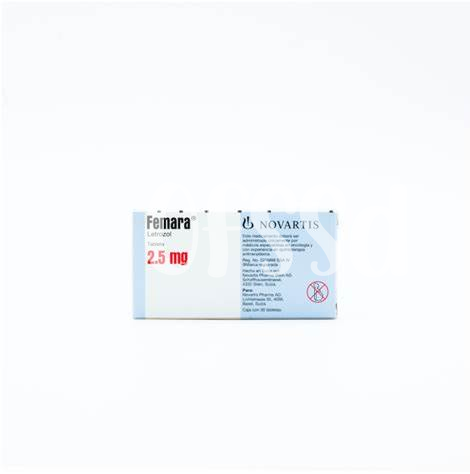
Many couples begin treatment hopeful but cautious. Femara can boost ovulation for women with certain ovulatory disorders, often improving monthly pregnancy probabilities. Clinical studies report varied outcomes depending on age, diagnosis, and sperm factors, so context matters.
A common benchmark is live birth rates per cycle rather than per prescription; younger patients typically see higher rates. After several cycles, many providers reassess strategy—if no pregnancy after three to six cycles, further evaluation or alternative therapies may be advised.
Success also depends on partner factors and timing. Cycle monitoring—ultrasound, hormones, and timed intercourse or IUI—can raise chances by optimizing transfer timing. Expectations should be balanced: modest per-cycle gains can compound over multiple attempts.
Keep realistic timelines and celebrate small milestones; emotional support matters. Discuss individualized prognosis with your clinician to understand statistics in the context of your medical history and preferences.
Possible Side Effects Risks and Safety Precautions
A simple warning begins the journey: some women notice hot flashes, mood swings, or fatigue when taking femara to stimulate ovulation during cycles.
Less commonly, multiple pregnancy or ovarian cysts occur; serious complications are rare but warrant prompt medical attention and counseling and monitoring.
Discuss medication interactions, existing liver or clotting issues, and long term bone health with your clinician before starting to ensure safe use always.
Frequent cycle monitoring with ultrasounds and blood tests reduces risks; report severe pain, visual changes, or unexpected bleeding immediately to your provider today.
Lifestyle Tips Tracking Strategies and When to Consult
When trying letrozole, small routine changes can make a big difference. Prioritize balanced meals, regular moderate exercise, and maintain a healthy weight; extreme diets or overtraining can disrupt cycles. Cut back on smoking and excessive alcohol, and aim for adequate sleep to support hormone balance.
Track basal body temperature, cervical mucus patterns, and use ovulation predictor kits as directed; combine methods for clearer timing. Keep a simple chart or app noting medication days, symptoms, and intercourse windows so you and your clinic can spot patterns quickly.
Reach out to your provider if cycles are irregular after several months, if you have severe side effects, or if pregnancy doesn't occur within expected cycles; early consultation can adjust dose, add monitoring like ultrasounds, or explore alternative treatments. Trust your instincts and ask questions and request clear next steps and timelines. NHS MedlinePlus