
Understanding Cytotec: Origins and Medical Use Originating from the gastrointestinal field, Cytotec (Misoprostol) was initially developed to treat stomach ulcers. Approved for this purpose by the FDA in 1988, its potential in obstetrics was later uncovered, transforming its use significantly. Misoprostol exhibits properties that stimulate uterine contractions, making it effective in labor induction. This derivative of prostaglandin E1 can ripen the cervix, preparing it for childbirth. Its application in pregnancy has subsequently broadened its medical resume. | Cytotec Key Facts | Details |
|-------------------|---------|
| Original Use | Ulcer treatment |
| FDA Approval Year | 1988 |
| Obstetric Benefits| Induces uterine contractions, cervical ripening | As its role in labor induction has grown, Cytotec's off-label use commands attention within healthcare settings. The versatile nature of Cytotec reflects the evolving landscape of medication use, where its initial purpose diverged toward contributing to crucial moments in maternity care. Its history encompasses both medical innovation and a commitment to enhancing childbirth experiences when deemed appropriate by healthcare professionals. Exploring Cytotec's Role in Labor Induction
The Science Behind Labor Induction with Cytotec
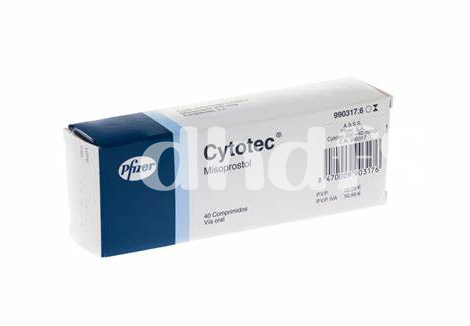
Cytotec, originally developed for treating gastric ulcers, contains the active ingredient misoprostol, a synthetic prostaglandin. In labor induction, it works by softening the cervix and enhancing uterine contractions, mimicking the body's natural labor process. This physiological response is crucial for cervical ripening, which precedes labor onset.
The pharmacological action of Cytotec involves binding to prostaglandin receptors in uterine tissues, stimulating muscle contractions. Its ability to induce contractions makes it effective for initiating labor. However, precise dosing is critical, as it can lead to intense contractions, potentially impacting fetal oxygen supply.
Research supports Cytotec's efficiency compared to traditional methods, though its administration requires careful monitoring to ensure safety for both mother and child. Awareness of its scientific basis helps healthcare professionals weigh its benefits and risks effectively.
Benefits of Cytotec for Expectant Mothers
Cytotec, also known as misoprostol, offers several advantages for labor induction. One of its significant benefits is its oral administration, which is less invasive compared to other methods such as intravenous medications or mechanical dilation. This ease of use can provide comfort and reduce anxiety for expectant mothers during a time that can often be stressful. Moreover, Cytotec is typically cost-effective, making it a preferred choice in settings where healthcare resources are limited.
Additionally, it is known for its ability to create timely contractions and effectively stimulate the cervix, potentially reducing the overall duration of labor. With its proven efficacy in initiating labor, healthcare providers are equipped to offer a controlled environment where they can monitor the mother and baby, ensuring safe progression through delivery.
Risks and Controversies Surrounding Cytotec Use
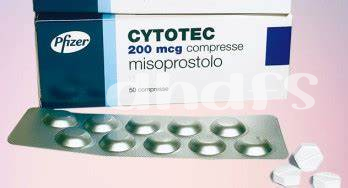
Cytotec, also known as misoprostol, is widely used in labor induction due to its effectiveness and low cost. However, it also ignites considerable debate due to potential risks. The drug was initially approved for treating gastric ulcers, not labor induction, which adds to the controversy. Critics highlight the lack of FDA approval for this specific use, bringing attention to the legal and ethical implications of its off-label application.
Concerns about Cytotec stem largely from reports of adverse effects, such as uterine hyperstimulation, which can lead to complications like uterine rupture and fetal distress. These serious risks necessitate close monitoring, and some medical professionals argue for more stringent guidelines. The balance between benefits and risks continues to fuel a contentious debate in the medical community.
Despite the controversy, Cytotec's role in labor induction is frequently reassessed as healthcare providers seek safe, effective methods for their patients. Continual research and shared experiences among practitioners contribute to evolving perspectives and protocols. Patients, too, are encouraged to discuss potential risks and benefits with their healthcare teams, ensuring informed decisions are made collectively.
Comparing Cytotec with Alternative Induction Methods
When it comes to labor induction, medical professionals have a variety of methods at their disposal. Cytotec, known generically as misoprostol, is one option often compared to traditional methods such as oxytocin or mechanical dilation. Misoprostol offers a unique method by ripening the cervix and stimulating uterine contractions through its prostaglandin properties.
In contrast, oxytocin has been a standard induction agent for decades, enhancing uterine contractions directly but lacking the cervical ripening effect. Alternatively, mechanical methods like Foley catheters provide a physical means of dilation without involving pharmacological agents, catering to those concerned about medication interventions.
| Method | Action Mechanism | Unique Benefit | |----------------|-------------------------|----------------------| | Cytotec | Cervical ripening | Prostaglandin effect | | Oxytocin | Uterine contractions | Historical standard | | Foley Catheter | Mechanical dilation | Non-pharmacological |
Each method has its proponents and skeptics, based on effectiveness and risk profiles. Cytotec, praised for its dual action, remains a favored option among clinicians seeking efficient, medication-based induction, despite ongoing debates.
Real-life Experiences: Testimonials from Mothers and Doctors
Maria, a first-time mother, shared her journey of labor induction with Cytotec. She felt anxious but trusted her doctor’s expertise. "The process was quick, and I was surprised by the manageable progression of labor," she recounted, attributing her positive experience to close medical monitoring and support. Dr. Jameson, who has been delivering babies for over two decades, noted that his patients appreciate Cytotec for its effectiveness in initiating labor while reducing the need for surgical interventions. However, he emphasizes that each case is unique, and personalized care is paramount.
Conversely, Emily, an experienced doula, has witnessed both positive outcomes and challenging situations. She underscores the importance of informed consent and patient awareness regarding potential risks. These firsthand experiences highlight the nuanced reality of Cytotec in labor induction.