
Optimize Nutrition: Fertility Foods to Boost Response I began choosing foods that felt nourishing and hopeful, turning meals into quiet rituals of fertility. Simple swaps, whole grains, healthy fats and colorful vegetables, felt empowering and practical. Prioritize folate-rich greens, iodine from seafood or fortified sources, omega-3s from flax, chia and fatty fish, and zinc from legumes and seeds to support ovulation and hormone balance. Small consistent changes, regular protein at each meal, and limiting processed sugars can improve Clomid response; pair this with hydration and iron checks for best results. Natural Ways to Complement Clomid for Better Outcomes
Food Benefit Leafy greens Folate for egg quality Fatty fish Omega-3s reduce inflammation Whole grains Steady insulin and energy Seeds and nuts Zinc and healthy fats Berries Powerful antioxidants that protect eggs
Targeted Supplements That Support Ovulation and Hormones
Many people add supplements while taking clomid to strengthen ovulatory response and balance hormones. Core nutrients are folate to support conception, vitamin D for endocrine signaling, omega-3 fatty acids to reduce inflammation, and myo-inositol to improve insulin sensitivity and follicular development. Antioxidants like coenzyme Q10 and N-acetylcysteine support mitochondrial health and may enhance egg quality during ovarian stimulation cycles.
Complementary minerals such as zinc and selenium support ovulation and thyroid function, while adequate iron and B vitamins prevent anemia that can hinder fertility. Magnesium calms stress pathways and aids progesterone production. Choose third-party tested formulas and start supplements at least one to three months before attempting conception to influence egg development. Discuss combinations and timing with your clinician to avoid interactions, for example iron can impair absorption of some nutrients, and to align support safely alongside clomid treatment for couples.
Mind-body Techniques to Reduce Stress and Balance
She learned deep breathing to steady panic before appointments, finding calm that complemented clomid cycles. Short daily sessions lowered tension and improved sleep, setting an emotionally resilient internal stage.
Guided imagery and short meditations helped her picture successful ovulation, fostering patience during waiting periods. Evidence suggests these practices modulate cortisol and support hormonal balance with subtle measurable gains.
Acupuncture, yoga nidra and biofeedback complemented relaxation routines; some women report steadier cycles and improved responsiveness to fertility treatments. Sharing progress in support groups reduced isolation and boosted adherence.
A daily five-minute ritual can shift physiology; consistency matters more than duration. Always inform your clinician about complementary practices when taking clomid to ensure safe, and coordinated care.
Gentle Exercise Routines to Improve Fertility Outcomes
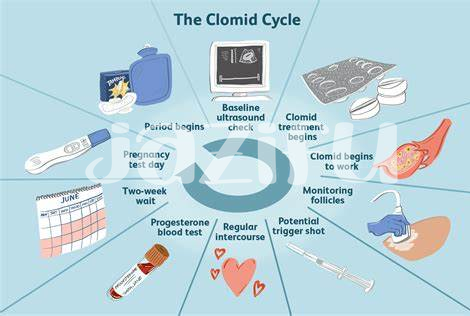
She swapped marathon training for mindful walks and felt calmer immediately, a small change that later seemed to help her cycle regularity. Gentle movement encourages blood flow to reproductive organs without stressing the body, creating an environment that complements medication such as clomid.
Focus on low-impact options: brisk walking, restorative yoga, pelvic-floor work and gentle swimming. Aim for 30 minutes most days to boost circulation while avoiding high intensity sessions that can blunt hormones.
Prioritize deep breathing, short mobility breaks and restful sleep. During ovulation or on clomid cycles, reduce intensity and focus on consistency rather than performance.
Check with your provider, track responses, and celebrate small gains—steady gentle exercise often supports fertility outcomes daily.
Environmental Detox: Reduce Toxins That Disrupt Hormones
Wake up to changes: swapping plastic containers for glass, ditching candles, and choosing organic produce can lower your body’s load of hormone-disrupting chemicals. These everyday shifts help reduce xenoestrogens and phthalate exposure that may interfere with ovulation — useful complement when you’re taking clomid. Think swaps: stainless steel water bottles, fragrance-free detergents, and BPA-free food storage.
At home, improve indoor air with HEPA filtration, ventilate after cooking, and avoid nonstick cookware scratched by metal utensils. Check labels on cosmetics and sunscreens for parabens and oxybenzone, and opt for short ingredient lists. For persistent concerns, request household testing for lead or mold and discuss targeted detox strategies with your clinician to support safer, hormone-friendly fertility care.
Timing and Tracking: Smart Ovulation Monitoring Strategies
Imagine pinpointing your fertile window with calm confidence: track basal body temperature each morning, log cervical mucus changes, and use ovulation predictor kits during the mid-cycle. These complementary signals improve accuracy beyond a single method, helping you time intercourse or insemination when the odds are best.
For best results, combine app-based cycle charting with ultrasounds or clinician-guided hormone testing if cycles remain irregular. Track lifestyle factors like sleep, stress and alcohol that shift ovulation. Data habits build reproductive insight, turning uncertainty into actionable timing for better outcomes and planning support.