
Understanding How Champix and Therapy Synergize Quit Attempts I recall a nervous morning when nicotine cravings felt relentless; medication dulled urgency while my therapist helped me name patterns. Together they created breathing room — practical relief from withdrawal and space for new strategies. Champix alters receptor activity to reduce craving intensity and withdrawal symptoms, while therapy targets learned behaviors, emotional cues and relapse thinking. Combining biological respite with cognitive work accelerates habit change, making each counseling insight more achievable and sustainable for patients. Effective teamwork between prescriber and counselor ensures dose adjustments, safety monitoring and coordinated goals. Tracking progress, preparing coping plans for triggers, and celebrating small wins keep motivation high. Over months this layered approach transforms quitting from struggle into achievable recovery. Combining Champix with Therapy: Maximizing Quit Success
Medication Therapy Reduces cravings and withdrawal Identifies triggers and builds coping skills Stabilizes mood to aid engagement Reinforces new habits and relapse plans
Choosing the Right Therapy to Complement Medication

I stood in a clinic room, fumbling with a pamphlet about options. Picking a counseling style matters: cognitive behavioral therapy helps change habits, while motivational interviewing boosts commitment during early quit attempts. Choosing therapy is personal, shaped by history, resources, and readiness.
For people prone to anxiety or depression, integrating brief psychotherapy or referral to a psychiatrist can prevent complications while taking champix, which can affect mood in sensitive individuals.
Group sessions and peer support provide accountability and shared strategies, and digital programs expand access when in-person therapy isn’t available.
Work with clinicians to match intensity and duration of therapy to nicotine dependence, schedule counseling alongside medication milestones, and monitor progress to adjust the plan.
Timing Treatment: Coordinating Doses with Counseling Sessions
A patient I once met described the nervous excitement of starting a quit plan: the first week felt fragile, so we synchronized medication and counseling to create a safety net. Starting champix a week before counseling gave time for cravings to ease as therapeutic strategies were introduced.
Clinicians often schedule sessions during peak medication effect, when nausea is less likely and mood stabilizes; dosing consistency matters, so take champix at the same times each day and note how symptoms change before and after sessions.
Open communication lets therapist and prescriber adjust timing if side effects or cravings spike. Planning sessions after dose stabilization supports skill practice, and tracking progress refines medication schedules and therapy focus.
Managing Side Effects and Monitoring Mental Health
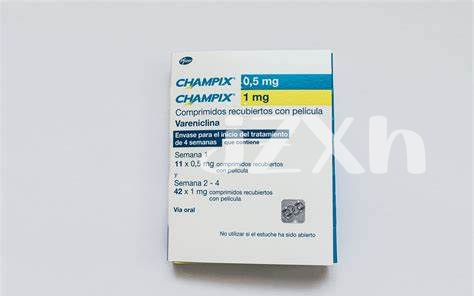
When Sarah started champix, she tracked mood swings and nausea like a careful scientist, noting triggers and patterns. Sharing those notes with her clinician turned vague discomfort into actionable steps — dose adjustments, timing changes, or supportive supplements — so side effects felt manageable rather than mysterious.
Regular check-ins and honest sharing in therapy catch early warning signs like anxiety, insomnia, or suicidal thoughts. Create a safety plan, involve loved ones, and report changes to your prescriber promptly. Medication oversight plus counseling keeps body and mind protected while quitting safely.
Building Coping Skills and Behavioral Replacement Techniques
A quitter's story begins with small wins; pairing champix with practiced strategies turns urges into manageable moments instead of crises daily.
Learn quick coping moves: breathing exercises, brief walks, or chewing gum create pauses that weaken automatic habits and cravings over time.
Therapists teach urge surfing and cognitive reframes; role plays help rehearse responses for triggers like stress, alcohol, or social cues regularly.
Track wins and setbacks, adjust plans, and let medication support champions—champix aids withdrawal while skills convert effort into lasting freedom now.
| Skill | Action |
|---|---|
| Breathing | Five deep breaths |
Preventing Relapse: Long-term Support and Follow-up Plans
Months after she stubbed out her last cigarette, Maya felt a tug at the edges — social invites, stress at work, and sudden cravings. She leaned on the plan she and her counselor had built: weekly check-ins for six weeks, then monthly maintenance calls, a reminder app for urges, and a small emergency kit of distraction strategies. Friends from a quit group became accountability partners, and routine medical reviews kept her treatment appropriate.
Create a written relapse plan listing triggers, coping techniques, and specific steps for cravings: delay, deep breathing, phone a supporter, or use nicotine replacement if advised. Schedule periodic therapy boosters and medication reviews at three, six, and twelve months. Track progress, celebrate milestones, and set alarms for follow-up appointments. If lapses occur, respond immediately with the plan rather than guilt: early action restores control and prevents full relapse.