
Essential Baseline Tests before Starting Immunosuppressive Therapy Starting Cellcept can feel daunting, but a clear baseline makes future changes easier to spot. Before treatment begins, clinicians gather a snapshot of blood counts, organ function, infection status and pregnancy risk. That snapshot guides safe dosing and monitoring decisions. Key pre-treatment tests typically include a complete blood count, liver and renal panels, viral serologies and a urine pregnancy test.
 Monitoring Blood Tests during Cellcept Therapy Explained
Test Why CBC Bone marrow ALT/AST Liver function Creatinine Kidney function Pregnancy Teratogenic risk
Baseline results set thresholds for treatment and provide a comparison if symptoms or laboratory values change. Abnormal findings may prompt delay, dose adjustment or specialist referral; infection or pregnancy requires immediate action. Keep copies of baseline reports and tell clinicians about medications, supplements or travel that could affect monitoring. This lets teams personalize follow-up timing, react quickly to changes and reduce avoidable harm during therapy.
Regular Cbc Monitoring to Catch Dangerous Blood Changes
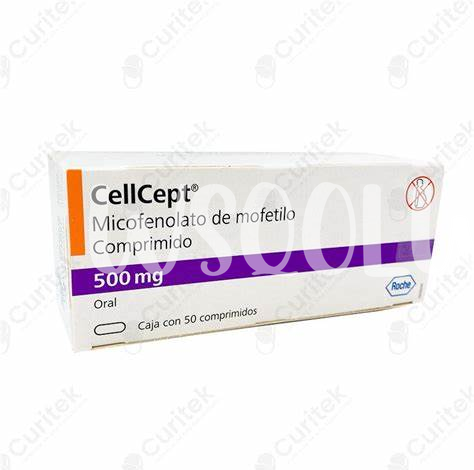
Every clinic visit feels like a checkpoint when you're on cellcept; a simple blood draw becomes a safety net. Monitoring complete blood counts catches drops in white cells and platelets before symptoms appear, letting clinicians pause or adjust therapy to prevent fevers, bleeding, or infections that could escalate.
Guidelines usually call for frequent checks in the first three months, then spaced intervals if stable. Labs target absolute neutrophil counts and hemoglobin trends; a sudden fall triggers repeat testing and clinical review. Dose reduction, temporary stoppage, or closer follow-up may be recommended based on results.
Report fevers, sore throat, unusual bruising, or persistent fatigue right away; these signs may precede dangerous cytopenias. Keep a record of labs, ask what critical thresholds mean, and stay in close contact with your team so cellcept can be continued safely or stopped promptly if needed.
Liver and Kidney Tests Spotting Organ Dysfunction Early
Starting cellcept requires baseline bloodwork so clinicians can detect subtle shifts in liver enzymes and renal function. Regular checks of ALT, AST, bilirubin, creatinine and eGFR create a safety map; rising values or unexplained fatigue, jaundice, dark urine, or reduced urine output warrant immediate evaluation.
Timely lab results guide dose changes or temporary stops to prevent permanent injury. Your team will set monitoring intervals and interpret trends rather than single numbers. If test abnormalities appear, prompt discussion may allow safer continuation or alternative therapy, minimizing complications while preserving treatment benefits.
Pregnancy Testing and Contraception Guidance for Patients
She paused before the clinic door, remembering the warning that childbearing plans matter when starting cellcept. This simple check can change treatment choices.
Clinicians require a negative pregnancy test before initiation and repeat testing during therapy; reliable contraception is essential while taking the drug. Women of childbearing potential should get counseling on contraceptive efficacy and risks.
Discuss contraceptive options, emergency plans, and how long to continue protection with your clinician; many recommend maintaining contraception for several weeks after stopping, and report any positive tests immediately. Do not stop medication alone.
Identifying Infections Early and When to Contact Clinicians
A sudden fever on a gray morning reminded Maria why vigilance matters: patients on cellcept can harbor infections that start subtly. Early recognition changes outcomes, so learn common warning signs and act quickly.
Watch for fever, chills, cough, shortness of breath, new urinary symptoms, or unusual wounds that won’t heal. Any unexplained sore throat, mouth ulcers, or sudden fatigue should prompt immediate contact with your clinic; neutropenia can make infections progress fast.
| Symptom | Urgency |
|---|---|
| Fever 38C | Call now |
| Persistent cough | Within 24 hours |
Never stop cellcept on your own; if infection is suspected, seek evaluation immediately and follow instructions about temporary hold or antibiotic therapy. Keep a current medication list, emergency contact numbers, and recent lab results ready. Prompt communication shortens illness and protects both you and your transplant or autoimmune treatment. Carry your clinic card and wear medical ID.
Dose Adjustments and Interpreting Therapeutic Drug Concentration Results
When monitoring therapy, clinicians combine blood levels with symptoms and routine labs to guide changes. Serial measurements of active drug and its exposure curve are more informative than single troughs, and are interpreted alongside white-cell counts, liver and kidney tests, and infection signs. Values outside expected ranges prompt careful reduction, temporary interruption, or spacing doses rather than abrupt cessation, especially when bone marrow suppression or severe diarrhea occurs.
Interpreters must factor in drug interactions, protein binding changes, and patient factors such as pregnancy, obesity, or organ dysfunction that alter exposure. After any adjustment, repeat testing at an appropriate interval verifies effect and prevents underimmunosuppression or toxicity. Pharmacist involvement helps translate concentrations into practical dose regimens, and clear communication with patients about symptoms that require immediate contact improves safety during the titration process, and supports individualized long-term monitoring and documentation plans.