
Understanding What Azeetop Is and How It Works Azeetop—also known as azithromycin—is a well-known antibiotic used to tackle a variety of bacterial infections. 🌍 People often turn to it for its broad-spectrum action, meaning it can target several types of harmful bacteria inside the body. What sets it apart is how effectively it halts bacterial growth by interfering with their protein production, allowing the immune system to more easily eliminate the invaders. Teh magic behind Azeetop lies in its long half-life, wich means it stays active in your system for days after dosing. This unique characteristic often allows for shorter courses of treatment compared to other antibiotics, making recovery more convenient for patients. Azeetop Dosage Guide: Safe and Correct Usage
Key Attribute Benefit Long half-life Fewer doses needed Broad-spectrum activity ⚡ Treats various infections Well-absorbed Fast symptom relief
Typical Dosage Recommendations for Common Conditions
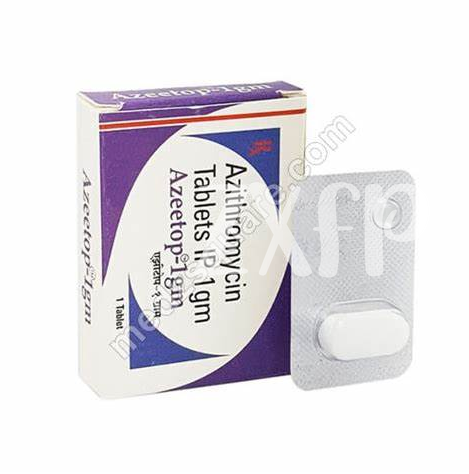
When a doctor prescribes azeetop, the dosage will often depend on the infection being treated and other unique factors. For adults facing respiratory tract infections, the standard prescription is usually a daily dose of 500 mg for three days. If being used for skin infections, a different regimen may be chosen, so it’s always best to follow medical advice carefully. 🕒 Children, on the other hand, recieve doses tailored to their weight—precision is vital to acheive the desired effect without undue risk.
Your healthcare provider may alter these recommendations if other conditions are present, such as liver or kidney concerns. Taking azeetop at teh same time each day helps maintain a steady level in your system, which is neccessary for effectiveness. Be mindful that only a doctor can safely adjust your dose, ensuring that you get the maximum benefit with minimum side effects. 💊
Key Factors Influencing Individual Dosage Levels
Imagine two people with similar infections but very different health backgrounds. Their azeetop dosage might look alike on paper, but it’s actually tailored carefully for each individual. Age, weight, and liver or kidney function all play a significant role in how much medication a person should recieve. For example, a lower dose may be necessary for children or those with compromised organ function to avoid potential complications.
🐾 Existing medical conditions, especially allergies or chronic illnesses, can also impact the appropriate amount and frequency of azeetop. Teh presence of other medications in a patient’s routine can lead to drug interactions, wich must be considered to maximize effectiveness and safety.
👨⚕️ Healthcare professionals always weigh these factors before adjusting doses. This personalized approach ensures patients acheive the best possible outcome without risking adverse effects.
How to Take Azeetop Safely and Effectively

If you're prescribed azeetop, closely following the directions from your healthcare provider is key. Never adjust your dosage on your own—even if you start to feel better, finishing the prescribed course ensures bacteria are fully eliminated and reduces the risk of resistance 🙅. Take azeetop at the same time each day; this simple habit makes it easier to remember and keeps consistent levels in your system.
For best results, swallow the tablets whole with a glass of water, rather than breaking or crushing them. Some forms of azeetop should be taken on an empty stomach, while others are fine with food—your pharmacist can inform you wich is necessary for your specific formulation. Missing a dose? Don’t panic; take it as soon as you remember, unless it’s almost time for your next one.
Avoid mixing azeetop with certain antacids or supplements, as interactions might reduce its effectiveness 📋. If any adverse symptoms occured after starting treatment, quickly inform your doctor. Consistent monitoring and open communication help you acheive optimal results without unnecessary risks.
Signs of Overdose and What to Do Next
It can be alarming if you or someone close to you takes more azeetop than intended. Symptoms 😵 may develop quickly, ranging from nausea and severe stomach pain to an irregular heartbeat, dizziness, or even trouble breathing. Some people might also experiance confusion or sudden fatigue that wasn't apparent earlier.
If any of these reactions become noticable after dosing, it's crucial to stay calm and act swiftly. First, stop taking azeetop immediately and seek medical advice – ideally by contacting your local poison control center or going directly to the nearest emergency room. Giving healthcare professionals accurate information about what occured will help them provide the right care.
| Symptom | Suggested Action |
|---|---|
| Severe stomach pain | Seek urgent medical help |
| Irregular heartbeat | Call emergency services 🚑 |
Tips for Storing and Handling Azeetop Properly
Storing Azeetop correctly is vital to maintain its effectiveness and ensure your safety. Keep the medication in its original packaging, away from direct sunlight and moisture—a cool, dry place like a cupboard works well 🌡️. Always keep it out of reach of children or pets, as accidental ingestion can lead to serious health risks. Be cautious not to store it in the bathroom, where humidity often builds up.
Proper handlng also means checking the expiry date regularly; never take medication that’s past its expiration, as its potency can decrease. If a dose is missed, don’t double up the next one—simply continue with your prescribed schedule. Teh right storage can make a noticeable difference in your overall treatment outcome 📦. Drugs.com - Azithromycin Information PubMed - Pharmacology of Azithromycin