
Understanding Armodafinil Basics before Stacking Nootropics I remember the first morning I tried armodafinil: the city felt sharper, ideas aligned, and a focused calm replaced scattered fatigue. Learning how it works—promoting wakefulness through subtle changes in brain signaling—helped me respect its potency and plan any cognitive enhancers around it rather than against them. Start with low doses, track sleep and mood, and know its long half‑life can interact with stimulants or prescription medications. Individual metabolism, liver function, and existing anxiety influence effects; avoid combining with untested stacks. Simple checks—medical history, current drugs, and a baseline sleep diary—let you gauge benefit and risk. If uncertainties persist, pause experimentation and seek professional advice before adding other nootropics to ensure safe, informed decisions overall. Combining Artvigil with Nootropics: Safe Stacking Tips
Assessing Personal Health Risks and Drug Interactions
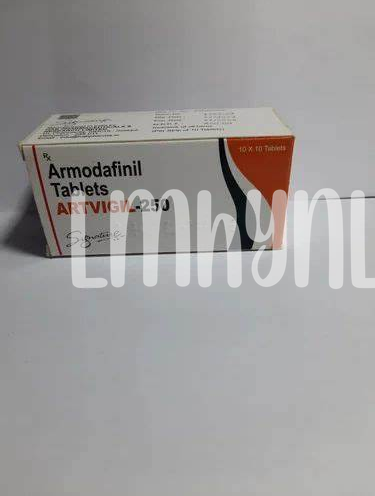
Before combining artvigil with other cognitive enhancers, imagine a quiet checklist: current medications, chronic conditions, and family history. Small details—hypertension, mood disorders, or liver issues—can change how a stack behaves and increase risk. Include tolerance checks.
Drug interactions matter: stimulants, antidepressants, or blood thinners can interact unpredictably. Research metabolism pathways (CYP enzymes) and ask whether supplements alter absorption or potency; natural doesn't always mean safe. Check liver function tests and cardiovascular baseline to reduce unforeseen complications.
Keep a log of doses, symptoms, and mood shifts, and schedule periodic reviews with a prescriber. When in doubt, pause the experiment—safety and clarity should guide exploration. Share your list of supplements with pharmacists for a quick interaction screen.
Choosing Complementary Nootropics to Support Wakefulness
I started combining artvigil with nootropics and learned synergy depends on purpose. Low dose caffeine or L theanine can smooth alertness without jitter; racetams may sharpen focus but not replace wakefulness promoting effects.
Select compounds that complement mechanisms, stimulatory adaptogens like rhodiola add resilience, while acetylcholine boosters CDP choline and alpha GPC support cognition downstream. Avoid multiples that increase heart rate or overlap metabolic pathways. Consider avoiding moderate to high dose stimulants. Monitor blood pressure and heart rate.
Begin with single additions at low doses and keep a simple log of sleep, mood, and clarity to spot interactions early. Prioritize sleep hygiene and consult a clinician when introducing agents; safe stacking is cautious and personalized.
Timing Dosages and Scheduling for Safe Effects

On a busy morning I respect the half-life of artvigil, planning doses so the peak wakefulness aligns with demanding tasks. Start low, observe, adjust slowly; changes reveal responsiveness without risking overstimulation or sleep disruption overall.
I schedule smaller companion nootropics earlier in the day, avoiding late caffeine or stimulants that could compound armodafinil's effects. Break doses around natural activity cycles to preserve nighttime recovery and maintain consistent cognitive performance levels.
Keep a log of timing, dose, and subjective effects; patterns emerge quickly when you track energy, focus, and mood. Gradual spacing—no stacking multiple stimulants at once—reduces risk and simplifies discovering an optimal regimen over time.
Consult sleep and cardiovascular guidelines before experimenting; morning dosing favors wakefulness while evening doses invite insomnia. If side effects appear, pause and reassess with adjusted timing or eliminate adjuncts rather than increasing the primary compound.
Monitoring Side Effects and When to Stop
Starting a stack feels like tuning an instrument; listen closely. Track baseline sleep, mood, heart rate and cognition before adding artvigil or other nootropics, so shifts stand out against your normal rhythm and guide adjustments.
Use a simple daily log: note dosages, time taken, perceived alertness, appetite and sleep quality. Photos or brief cognitive tests can reveal subtle declines. Consistent entries turn anecdote into data you can analyze and trends.
Watch for red flags: chest pain, irregular heartbeat, severe anxiety, hallucinations, rash or sudden mood swings. Mild headaches or nausea may resolve, but escalating or persistent symptoms require stopping the stack and seeking medical advice.
If uncertain, pause the newest addition and reassess after washout. Share your log with a clinician, especially if combining prescription agents like artvigil. Prompt action reduces harm and helps find a tolerable, effective routine safely.
| Symptom | Immediate Action |
|---|---|
| Chest pain or palpitations | Stop, seek emergency care |
| Severe anxiety or hallucinations | Discontinue, contact clinician |
| Mild headache/nausea | Monitor, reduce dose |
Consulting Healthcare Professionals before Any Stacking Experiment
Imagine sitting across from a clinician and mapping your cognitive goals to a safe plan; that conversation is vital before blending Armodafinil with other cognitive enhancers. A prescriber can assess cardiovascular risk, sleep disorders, liver function, and current medications — all of which change how armodafinil behaves. Share dosages, timing, and the exact supplements you plan to use. Bring a list of prior adverse reactions.
Professionals can suggest alternatives, adjust doses, order baseline labs, and set monitoring schedules to detect interactions or adverse effects early. If unexpected symptoms arise, having documented guidance speeds appropriate action. Respecting clinical expertise reduces risky trial-and-error and preserves cognitive benefit and overall health. Ask about safe tapering and options.