
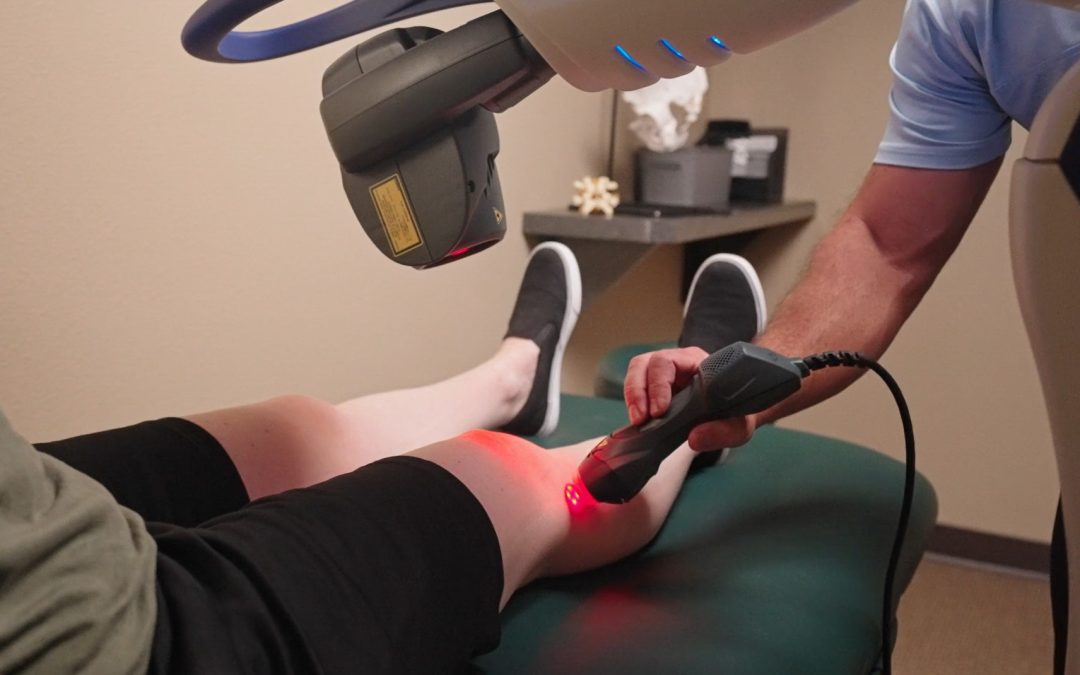
Stop the Ache: How to Find the Best Knee Chiropractor Near Me
You know the feeling. It’s that sharp twinge when you stand up after sitting for too long, or the dull, throbbing ache that keeps you awake at night after a long walk. Knee pain is more than just a nuisance; it acts as a barrier between you and the active life you want to lead. Whether it is stopping you from running your morning 5K or simply making it difficult to climb the stairs in your own home, chronic knee issues can be debilitating.
When home remedies like ice packs and over-the-counter painkillers stop working, many people assume their only remaining options are invasive surgery or a lifetime of prescription medication. But there is another path. Chiropractic care, often associated solely with back and neck pain, is a powerful, non-invasive solution for knee issues.
Finding the right provider can feel overwhelming. You type “knee chiropractor near me” into a search engine and are bombarded with hundreds of results. How do you know who can actually help? This guide covers everything you need to know about chiropractic care for knee pain, from understanding the root causes of your discomfort to identifying the qualities that make a practitioner truly great.
The Reality of Knee Pain and Chiropractic Solutions
The knee is a complex hinge joint that bears a significant amount of your body weight. Because of its constant use and the load it carries, it is incredibly susceptible to injury and wear and tear. However, the pain you feel in your knee isn’t always an isolated issue. It is often the result of a chain reaction starting elsewhere in the body.
Common Causes of Knee Pain
Before you can fix the pain, you have to understand where it comes from. While sudden injuries are obvious culprits, many cases of knee pain develop slowly over time.
- Osteoarthritis: As we age, the cartilage that cushions the ends of our bones wears down. This “wear and tear” arthritis causes bones to rub together, leading to pain, swelling, and stiffness.
- Referred Pain: Surprisingly, the root cause of knee pain often isn’t in the knee at all. Misalignments in the spine, hips, or ankles can alter your gait (the way you walk). This imbalance forces the knee to compensate, taking on stress it wasn’t designed to handle.
- Soft Tissue Injuries: Tendonitis, bursitis, and ligament strains (like the ACL or MCL) are common, especially in active individuals.
- Iliotibial (IT) Band Syndrome: Tightness in the IT band, which runs down the outside of the thigh, can cause significant friction and pain on the outer side of the knee.
How Chiropractic Care Can Help
Chiropractic care addresses the musculoskeletal system as a whole. A chiropractor doesn’t just look at the symptomatic knee; they look at the mechanics of the entire leg, the pelvis, and the spine. By correcting misalignments (subluxations) in the spine and hips, a chiropractor can restore proper weight distribution. When your body is aligned, the pressure is taken off the knee joint, allowing inflammation to subside and healing to begin.
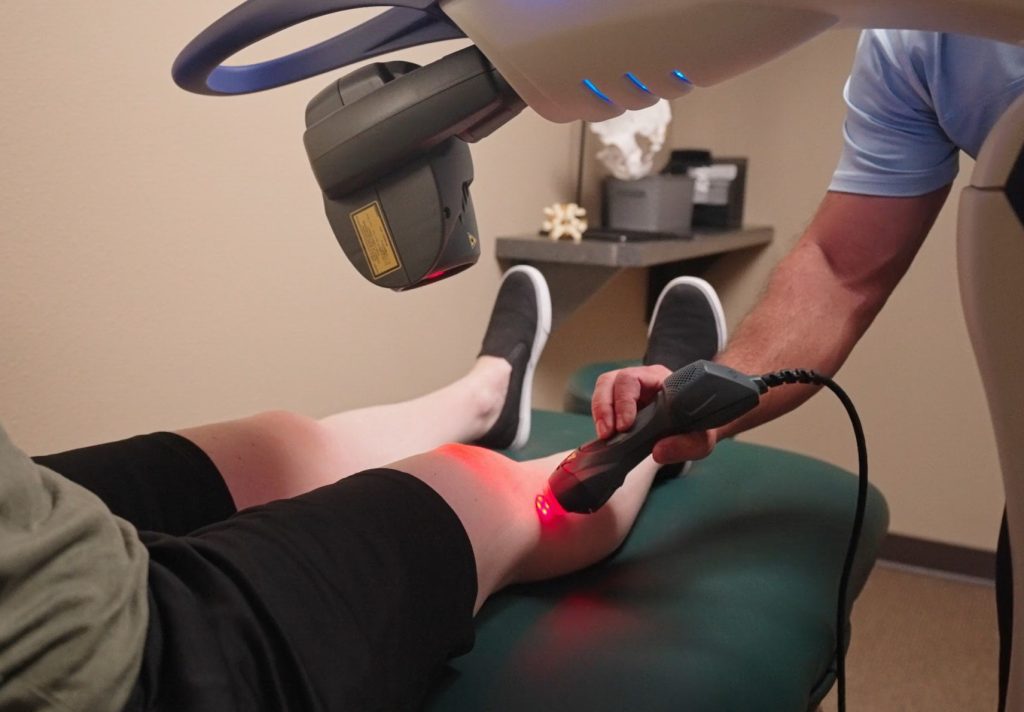
Knee Chiropractor
Why Choose Chiropractic Care for Knee Pain?
Opting for chiropractic treatment offers distinct advantages over traditional medical routes that may prioritize symptom management over root-cause resolution.
Pain Reduction and Management
The primary goal for any patient is relief. Chiropractic adjustments release endorphins—your body’s natural painkillers. Furthermore, by realigning the joint and reducing pressure on nerves, the intensity of the pain signals sent to the brain is diminished. This often allows patients to reduce their reliance on anti-inflammatory medications or opioids.
Improved Mobility and Flexibility
Pain causes stiffness. When a joint hurts, we naturally limit its movement to protect it. Over time, this leads to a loss of range of motion and muscle atrophy. Chiropractic manipulation helps break up scar tissue and adhesions within the joint and surrounding soft tissue. This restores fluidity to the joint, allowing you to extend and bend your knee more freely.
A Non-Invasive Treatment Option
Knee replacement surgery is a major procedure with a long recovery time. While necessary in severe cases, it should generally be a last resort. Chiropractic care is entirely non-invasive. There are no incisions, no hardware installations, and no long hospital stays. It focuses on facilitating the body’s natural ability to heal itself without surgical intervention.
What to Look for in a Knee Chiropractor
Not all chiropractors are created equal. While all licensed chiropractors are trained to adjust the spine, not all have deep experience in treating extremities like knees, shoulders, and ankles. When you are vetting potential doctors, keep these criteria in mind.
Qualifications and Experience
Check their educational background. Have they pursued continuing education specifically regarding extremity adjusting? Experience matters immensely. You want a provider who has successfully treated conditions similar to yours, whether that is a meniscus tear or chronic arthritis. Don’t be afraid to ask them directly: “How often do you treat knee pain?”
Specialized Techniques
A “one size fits all” approach rarely works in healthcare. The best chiropractors utilize a variety of techniques. Look for practitioners who use a combination of manual adjustments, instrument-assisted adjustments (like the Activator method), and soft tissue therapies. If a chiropractor only wants to crack your back to fix your knee without examining your leg, that is a red flag.
Patient Reviews and Testimonials
Social proof is a powerful indicator of quality. Read online reviews on Google, Yelp, and Healthgrades. Look specifically for reviews that mention knee pain. Did the patient find long-term relief? Was the staff professional? Was the doctor a good listener? These narratives give you a preview of your potential experience.
Finding a Knee Chiropractor Near You
Locating the right specialist requires a bit of detective work, but the effort pays off in the quality of care you receive.
Online Search Strategies
When using search engines, be specific. Instead of just searching “chiropractor,” try “chiropractor specializing in knee pain near me” or “sports chiropractor for knees.” Browse the “About Us” pages of the top results. Look for bios that highlight sports medicine or extremity rehabilitation.
Asking for Referrals
Word of mouth remains one of the most reliable ways to find healthcare providers. Ask friends, family members, or coworkers if they have seen a chiropractor for joint pain. If you have a primary care physician or a physical therapist, ask them who they recommend. Medical professionals often have a network of trusted specialists they refer to.
Utilizing Online Directories
Professional organizations, such as the American Chiropractic Association, have online directories that allow you to search for members by location and specialty. These directories ensure that the practitioners listed are licensed and in good standing with their governing bodies.
Introducing Gateway Chiropractic
If you are looking for a clinic that embodies all the qualities mentioned above, Gateway Chiropractic stands out as a premier choice. Known for a patient-centered approach, Gateway Chiropractic moves beyond simple symptom relief to address the structural and functional issues causing your pain.
At Gateway Chiropractic, the focus is on comprehensive care. They understand that a knee problem is often a “whole body” problem. Their team is experienced in advanced extremity adjusting and creates tailored treatment plans that respect the unique biomechanics of each patient. Whether you are an athlete trying to get back on the field or a grandparent wanting to keep up with your grandkids, Gateway Chiropractic utilizes state-of-the-art techniques to restore function and reduce pain.
Different Chiropractic Techniques for Knee Pain
Chiropractors have a diverse toolkit for treating knee issues. Here are three of the most common methods you might encounter.
Manual Adjustments
This is what most people think of when they hear “chiropractic.” The doctor uses their hands to apply a controlled, sudden force to a joint. For the knee, this might involve mobilizing the tibia or fibula to ensure they are tracking correctly. They may also adjust the lumbar spine and pelvis to ensure the nerve signals traveling to the leg are unimpeded.
Mobilization Techniques
For patients who are in acute pain or who have severe arthritis, a high-velocity adjustment might be too aggressive. Mobilization involves low-velocity, gentle movement of the joint within its natural range of motion. This helps to stretch tight muscles and capsules, lubricate the joint surfaces, and reduce stiffness without the “crack.”
Soft Tissue Therapy
Because muscles and tendons support the knee, treating them is vital. Techniques such as myofascial release, trigger point therapy, or instrument-assisted soft tissue mobilization (IASTM) break down scar tissue in the muscles surrounding the knee. This releases tension on the joint and improves circulation to the area.

Knee Chiropractic Care
Additional Therapies and Recommendations
The best results come when in-office treatment is combined with at-home care. A holistic chiropractor will likely provide guidance in the following areas.
Exercise and Rehabilitation
Strong muscles protect joints. Your chiropractor will likely prescribe specific strengthening exercises for the quadriceps, hamstrings, and calves. Strengthening these muscles creates a natural brace for the knee, absorbing shock and reducing the load on the joint itself. Balance exercises are also common to improve stability and prevent future falls or injuries.
Nutritional Guidance
Inflammation is a major driver of pain. Your diet plays a huge role in your body’s inflammatory response. Your provider might recommend an anti-inflammatory diet rich in omega-3 fatty acids (found in fish and flaxseed), antioxidants (berries and leafy greens), and lean proteins. They might also suggest supplements like glucosamine and chondroitin to support cartilage health.
Lifestyle Modifications
Small changes in your daily routine can make a big difference. This might include advice on proper footwear (shoes with good arch support are crucial for knee health), ergonomics at your workstation, or modifications to your exercise routine—such as switching from high-impact running to low-impact swimming or cycling while you heal.
Taking the Next Step Towards Pain Relief
Living with chronic knee pain forces you to live a smaller life. You skip the walks you used to enjoy, you avoid travel because of the walking involved, and you stop playing sports you love. But pain doesn’t have to be your permanent reality.
By addressing the root cause of the dysfunction—whether it lies in the knee joint itself, the spine, or the soft tissues—chiropractic care offers a pathway to recovery that enhances your body’s natural potential. It requires finding a provider who listens, understands biomechanics, and offers a comprehensive strategy for health.
If you are ready to stop managing your pain and start resolving it, Gateway Chiropractic is ready to help. Don’t let another day of limited mobility keep you from the activities you love.
Gateway Chiropractic
https://maps.app.goo.gl/GxjYazVHnGYNgG8b8
4070 W Spencer St, Appleton, WI 54914
(920) 944-6371
http://gatewaychiro.com/