
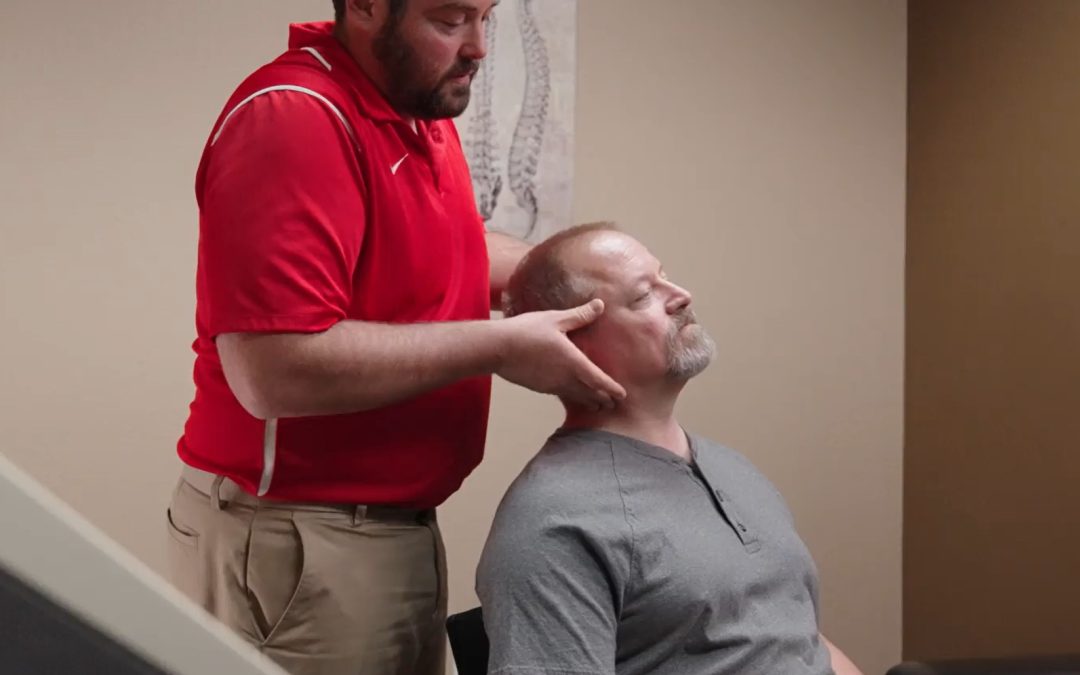
Vertigo Chiropractor Near Me: Natural Solutions for Dizziness and Balance Issues
Waking up to a spinning room can be disorienting and frightening. For many, this sensation, known as vertigo, is a chronic condition that turns simple tasks into dangerous challenges and can lead to anxiety and a lower quality of life.
While medication often just masks the symptoms, many are searching for a long-term solution. This search frequently leads them to chiropractic care, a natural alternative that addresses the root cause of balance issues.
Vertigo chiropractor near me focus on the relationship between the spine and the nervous system to restore the body’s natural balance. If you’re looking for a non-invasive path toward stability, Gateway Chiropractic is here to help you regain your footing and confidence.
Understanding Vertigo: More Than Just Dizziness
To treat vertigo effectively, we first need to understand what it is. It is important to distinguish true vertigo from general dizziness or lightheadedness. Dizziness might make you feel faint or off-balance, but vertigo is a specific hallucination of motion. You feel like you are spinning, or that the world is spinning around you.
Types of Vertigo
Vertigo is a symptom, not a diagnosis in itself. It can stem from various underlying issues, most of which originate in the inner ear (peripheral vertigo) or the brain (central vertigo).
- Benign Paroxysmal Positional Vertigo (BPPV): This is the most common form of vertigo. It occurs when tiny calcium crystals (canaliths) inside the inner ear break loose and move into the semicircular canals, where they don’t belong. When you move your head, these crystals shift, sending false signals to your brain that you are moving.
- Meniere’s Disease: This chronic condition involves a buildup of fluid in the inner ear. It often presents with a combination of vertigo, hearing loss, ringing in the ears (tinnitus), and a feeling of fullness in the ear.
- Vestibular Neuritis or Labyrinthitis: usually caused by a viral infection, this involves inflammation of the inner ear nerves that connect to the brain, disrupting the transmission of sensory information.
- Cervicogenic Vertigo: This type is particularly relevant to chiropractic care. It arises from issues in the neck (cervical spine), such as poor posture, neck trauma, or misalignment, which disrupt the proprioceptive signals sent to the brainstem.
The Spine and Balance Connection
Your sense of balance relies on input from your eyes, inner ear, and proprioception (movement sensors in your joints and muscles). The upper cervical spine plays a crucial role in this system because it contains nerves packed with proprioceptors that help your brain determine your head’s position. If these vertebrae are misaligned, they can disrupt communication with the brainstem, causing conflicting signals and resulting in vertigo. Addressing spinal misalignments can often resolve balance issues that may seem ear-related.
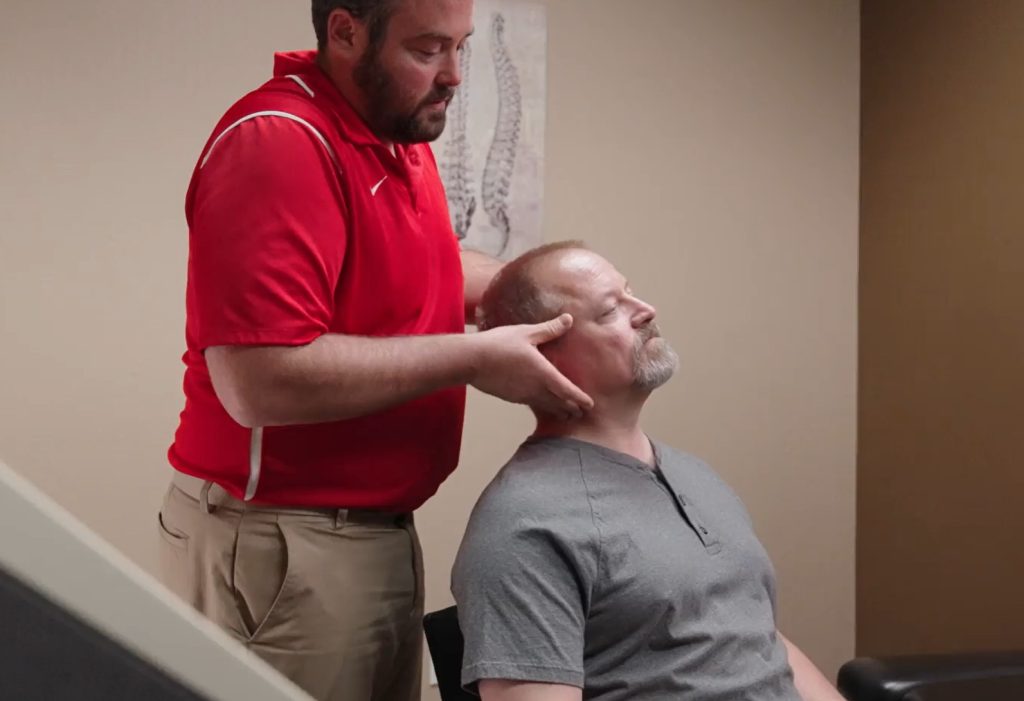
Vertigo Chiropractor
The Chiropractic Approach to Vertigo
When you visit a chiropractor for vertigo, the goal is to restore the integrity of the nervous system. At Gateway Chiropractic, the approach is holistic. We don’t just look at the spinning sensation; we look at the structural foundation of your body.
Spinal Adjustments and the Nervous System
The primary tool for a chiropractor is the spinal adjustment. Misalignments in the upper cervical spine (specifically the Atlas and Axis vertebrae) can put pressure on the brainstem and surrounding nerves. This pressure can impede the flow of cerebrospinal fluid and distort the nerve signals traveling to and from the vestibular nucleus—the balance center of the brain.
By performing precise, gentle adjustments, a chiropractor can realign the vertebrae. This reduces nerve interference and restores normal communication between the body and the brain. For cases of cervicogenic vertigo, this relief can be almost immediate. Even for inner ear issues, improving spinal health ensures that the nervous system is functioning optimally, which facilitates the body’s natural healing processes and improves the coordination of balance signals.
Beyond the Adjustment
Chiropractic care for vertigo isn’t limited to cracking backs. It involves a comprehensive assessment of the musculoskeletal system. Tension in the jaw (TMJ), tightness in the suboccipital muscles (at the base of the skull), and poor posture can all contribute to dizziness. A chiropractor addresses these soft tissue issues through massage, trigger point therapy, and rehabilitative stretches, ensuring that the muscles support the spine rather than pulling it out of alignment.
Gateway Chiropractic’s Unique Methods
At Gateway Chiropractic, we understand that no two cases of vertigo are identical. A “one-size-fits-all” crack-and-go approach is rarely effective for complex balance disorders. That is why Gateway Chiropractic employs a blend of specific techniques and advanced technologies to ensure precision and safety.
Detailed Diagnostic Imaging
Before any treatment begins, it is vital to see exactly what is happening in the cervical spine. Gateway Chiropractic utilizes advanced imaging to analyze the alignment of the upper neck. This ensures that every adjustment is calculated to the millimeter, minimizing risk and maximizing relief.
The Epley Maneuver
For patients suffering from BPPV, spinal adjustments are often paired with the Epley Maneuver. This is a series of specific head movements designed to guide the displaced calcium crystals out of the semicircular canals and back into the chamber where they belong. The chiropractors at Gateway are trained to perform this maneuver safely and effectively, often resolving BPPV symptoms in just one or two sessions.
Upper Cervical Specificity
Gateway Chiropractic places a heavy emphasis on upper cervical care. Because the top two vertebrae (C1 and C2) are unique in shape and function compared to the rest of the spine, they require a specific touch. The techniques used here are gentle—there is often no twisting or popping of the neck required. This specificity is crucial for vertigo patients, who may already be sensitive to rapid movements.
Finding a Vertigo Chiropractor Near Me
If you aren’t located near Gateway Chiropractic, finding the right provider is essential. You don’t want to trust your delicate neck and balance system to just anyone. Here is what you should look for when searching for a “vertigo chiropractor near me.”
Check for Specializations
Look for chiropractors who mention “vestibular rehabilitation,” “upper cervical care,” or “functional neurology.” These providers have likely pursued post-graduate training specifically regarding dizziness and the nervous system.
Read the Reviews
Patient testimonials are invaluable. Look for reviews that specifically mention vertigo, dizziness, or Meniere’s disease. If other patients with similar symptoms have found relief, it is a good indicator that the clinic understands how to manage these conditions.
Ask About Their Process
A good vertigo chiropractor will not guess. They should conduct a thorough examination, likely including neurological tests (checking your eyes, balance, and coordination) and imaging before treating you. If a clinic offers to adjust you without an exam, consider it a red flag.
Certification Matters
Check if the chiropractor is board-certified and if they are members of reputable chiropractic associations. This indicates a commitment to professional standards and continuing education.
Lifestyle Adjustments and Home Exercises
While professional care at Gateway Chiropractic is the cornerstone of recovery, what you do at home matters. Integrating specific habits and exercises can speed up your healing process and prevent future episodes.
Vestibular Rehabilitation Exercises
These exercises are designed to “retrain” your brain to process balance signals correctly.
- Brandt-Daroff Exercises: These are often used for BPPV. Start by sitting on the edge of your bed. Turn your head 45 degrees to the left, then lie down on your right side quickly. Stay there for 30 seconds. Sit up for 30 seconds. Repeat on the other side. (Consult your chiropractor before starting these to ensure they are safe for your specific condition).
- Gaze Stabilization: Hold a target (like a pen) at arm’s length. Keep your eyes focused on the target while you slowly turn your head side to side. As you improve, you can speed up the head movement while keeping the target in focus.
Hydration and Diet
Dehydration can affect the volume and thickness of the fluid in your inner ear, potentially triggering symptoms. Aim to drink plenty of water throughout the day. Additionally, high-salt diets can cause fluid retention, which is particularly problematic for Meniere’s disease sufferers. Reducing sodium intake and limiting caffeine and alcohol can help stabilize inner ear pressure.
Stress Management
Stress is a known trigger for Meniere’s and can exacerbate cervicogenic vertigo by causing neck tension. Incorporating stress-reducing practices like deep breathing, meditation, or gentle yoga can keep your neck muscles relaxed and your nervous system calm.
Sleep Posture
Sleeping on your stomach forces your neck into a twisted position for hours, which is a recipe for cervical misalignment. Try sleeping on your back or side with a pillow that keeps your neck in a neutral alignment. If you suffer from BPPV, sleeping with your head slightly elevated on two pillows can help prevent the crystals from shifting during the night.
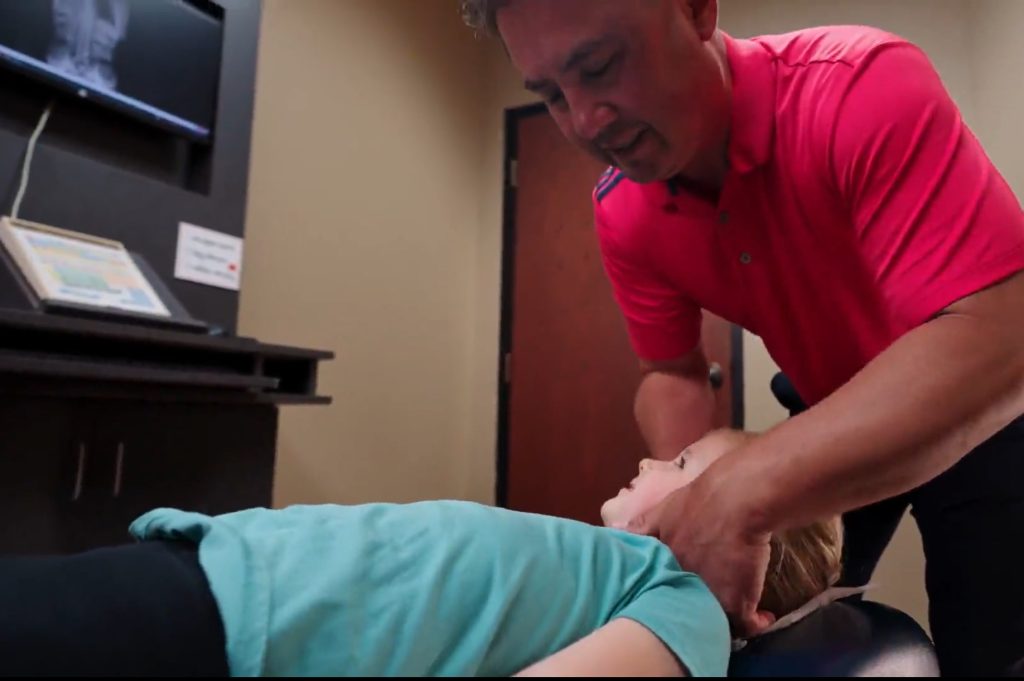
Vertigo Chiropractic Care
Benefits of Choosing Gateway Chiropractic
Choosing the right partner in your health journey is critical. Gateway Chiropractic offers distinct advantages for those suffering from balance disorders.
A Personalized, Patient-First Approach
At Gateway, you are never just a number or a symptom. The doctors take the time to listen to your history, understanding how vertigo affects your work, your family, and your happiness. Treatment plans are customized to your specific body and lifestyle, not a generic protocol.
Non-Invasive and Drug-Free
Many vertigo medications come with side effects like drowsiness, which can be just as debilitating as the dizziness itself. Gateway Chiropractic offers a natural solution that aims to correct the cause, allowing you to avoid long-term reliance on prescription drugs.
Comprehensive Care
Gateway Chiropractic doesn’t view the spine in isolation. By addressing posture, lifestyle, nutrition, and exercise alongside spinal adjustments, they provide a holistic framework for health. This comprehensive approach ensures that once you get better, you stay better.
State-of-the-Art Technology
By utilizing modern diagnostic tools and precise adjustment techniques, Gateway ensures that your care is scientifically sound and objectively measured. You can see the changes in your alignment, matching the improvements you feel in your body.
Reclaim Your Balance
Living with vertigo is exhausting. It drains your energy, limits your mobility, and creates a constant undercurrent of anxiety. But you do not have to accept dizziness as your new normal. The connection between your spine and your sense of balance offers a promising avenue for relief that many have yet to explore.
Gateway Chiropractic is dedicated to helping you stop the spinning and start living. By realigning the spine and optimizing the nervous system, natural, lasting relief is possible. If you are tired of watching the world spin by, it is time to take action. Schedule a consultation with Gateway Chiropractic today, and take the first step toward a stable, balanced future.
Gateway Chiropractic
https://maps.app.goo.gl/GxjYazVHnGYNgG8b8
4070 W Spencer St, Appleton, WI 54914
(920) 944-6371
http://gatewaychiro.com/