
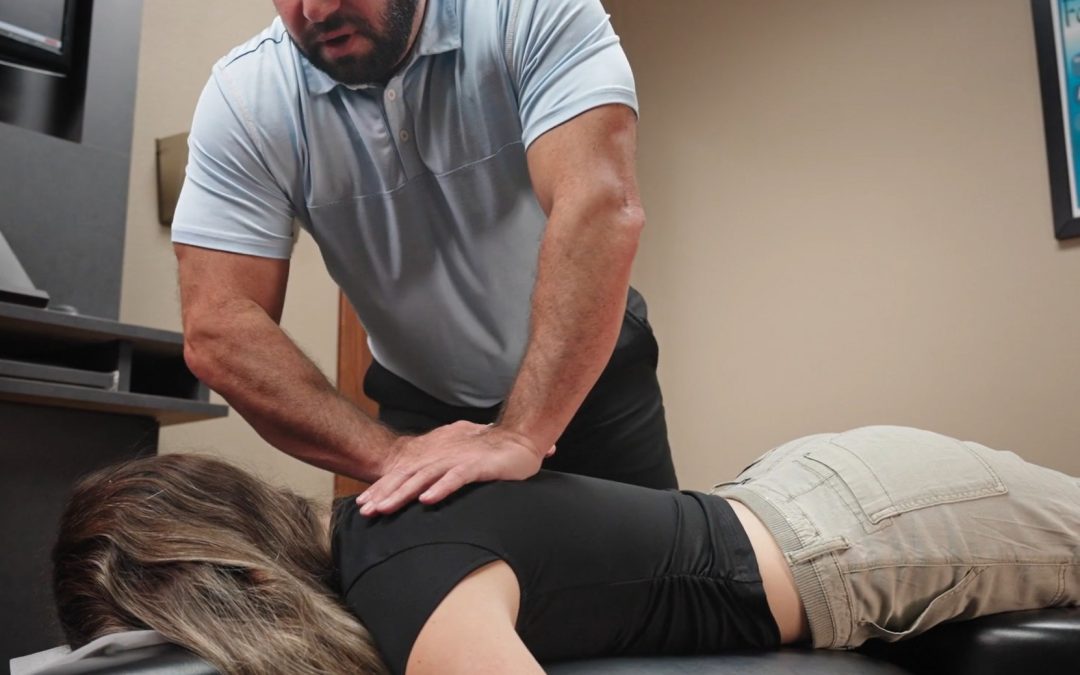
Lower Spine Pain: Non-Surgical Solutions That Can Make a Difference
Lower spine pain can often feel like an unwelcome guest that overstays its welcome, affecting everything from a morning routine to the ability to enjoy favorite activities. For many, the discomfort limits mobility and dims the joy of daily living, leading to frustration and fatigue. However, while the thought of surgery can be daunting, it is rarely the only option available for finding relief.
There is reassuring news for those suffering from this common ailment. This guide walks through a variety of effective, non-surgical solutions that can make a significant difference in managing and relieving lower spine pain. By exploring these gentle and proven methods, a path to lasting relief and a reclaimed quality of life is possible without invasive procedures.
Understanding the Source of Your Lower Spine Pain
Common Culprits: Muscle Strains and Sprains
Everyday activities often play a significant role in the development of lower spine pain. Lifting something heavy without proper form, twisting awkwardly while gardening, or simply sitting for too long at a desk can lead to muscle strains and sprains. These soft tissue injuries occur when the muscles or ligaments in the lower back are stretched or torn, resulting in inflammation, stiffness, and sharp pain that can make movement difficult.
The Role of Spinal Discs
Another frequent source of discomfort lies within the spinal discs themselves. Conditions such as herniated or bulging discs occur when the soft, gel-like center of a spinal disc pushes through a crack in the tougher exterior. This displacement can press on nearby nerves, causing significant discomfort that not only affects the lower back but may also radiate down the legs, a sensation often described as sciatica.
How Poor Posture Affects Your Spine
Daily habits contribute immensely to the chronic stress placed on the lower back. Slouching in a chair, hunching over a steering wheel, or constantly looking down at a smartphone can distort the spine’s natural curve. Over time, this poor posture places uneven pressure on the spinal structures, leading to muscle imbalances and persistent lower spine pain that can be difficult to shake without correcting the underlying behavior.
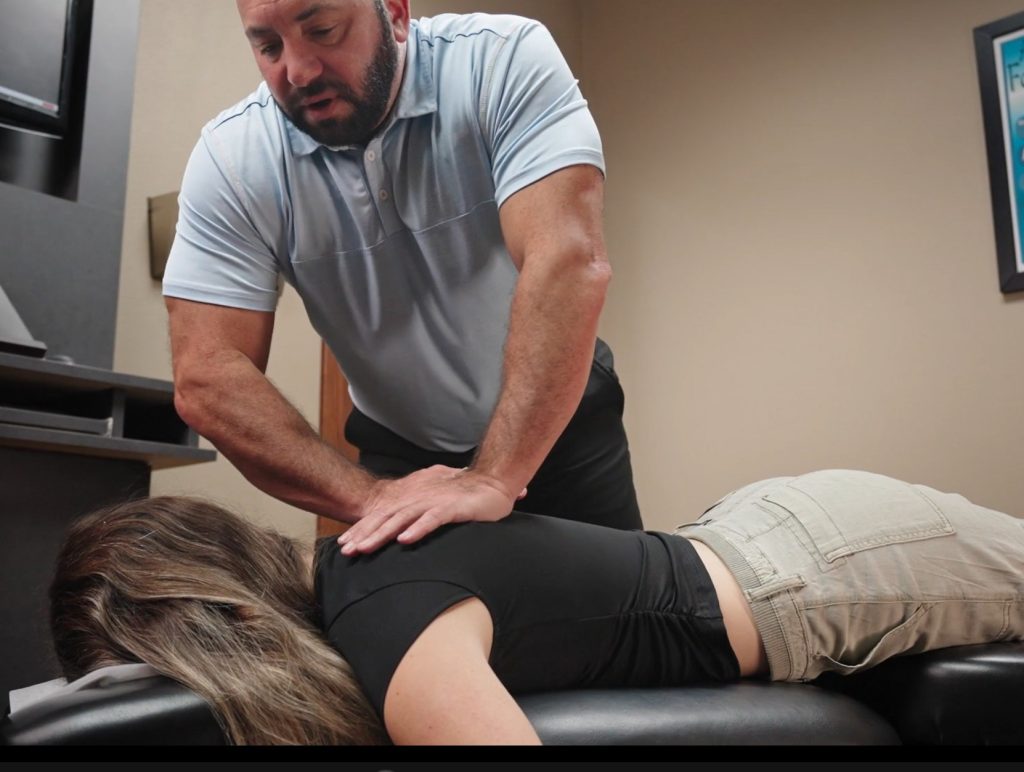
Lower Spine Pain Treatment
The Chiropractic Solution: Gentle, Targeted Adjustments
Restoring Proper Spinal Alignment
Chiropractic care focuses on the relationship between the spine and the nervous system. A chiropractor uses specific, controlled adjustments to gently correct misalignments in the lumbar spine, also known as subluxations. By restoring proper alignment, pressure is taken off the nerves and joints, allowing the spine to function correctly and reducing the mechanical stress that often triggers pain.
Reducing Inflammation and Improving Mobility
Beyond just realigning vertebrae, chiropractic adjustments can help decrease inflammation naturally. When joint motion is restricted, inflammation often builds up, leading to pain and stiffness. Restoring mobility to these joints through gentle manipulation helps flush out inflammatory chemicals, easing pain and restoring the ability to move comfortably and freely.
A Foundation for Long-Term Spinal Health
Chiropractic care is not merely about providing immediate relief from symptoms. It serves as a foundation for long-term spinal health by addressing the root causes of dysfunction. Regular care helps maintain proper alignment and joint function, which can prevent future injuries and ensure that the lower spine remains resilient against the physical demands of daily life.
Gateway Chiropractic: A Partner in Your Healing Journey
A Mission of First-Class, Personalized Care
At Gateway Chiropractic, the primary goal is always the family’s health and happiness. This is achieved by providing an outstanding experience and care tailored specifically to each individual’s needs. The focus remains on delivering top-notch chiropractic care and rehabilitative therapy to ensure the best possible results for every patient.
Getting to the Root Cause with Detailed X-Rays
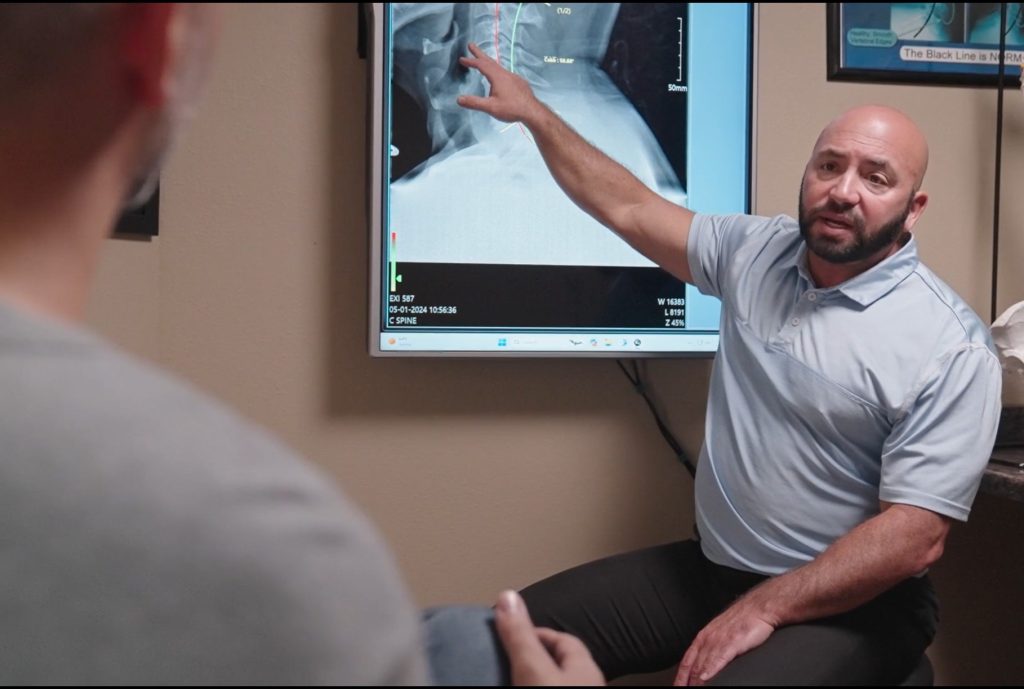
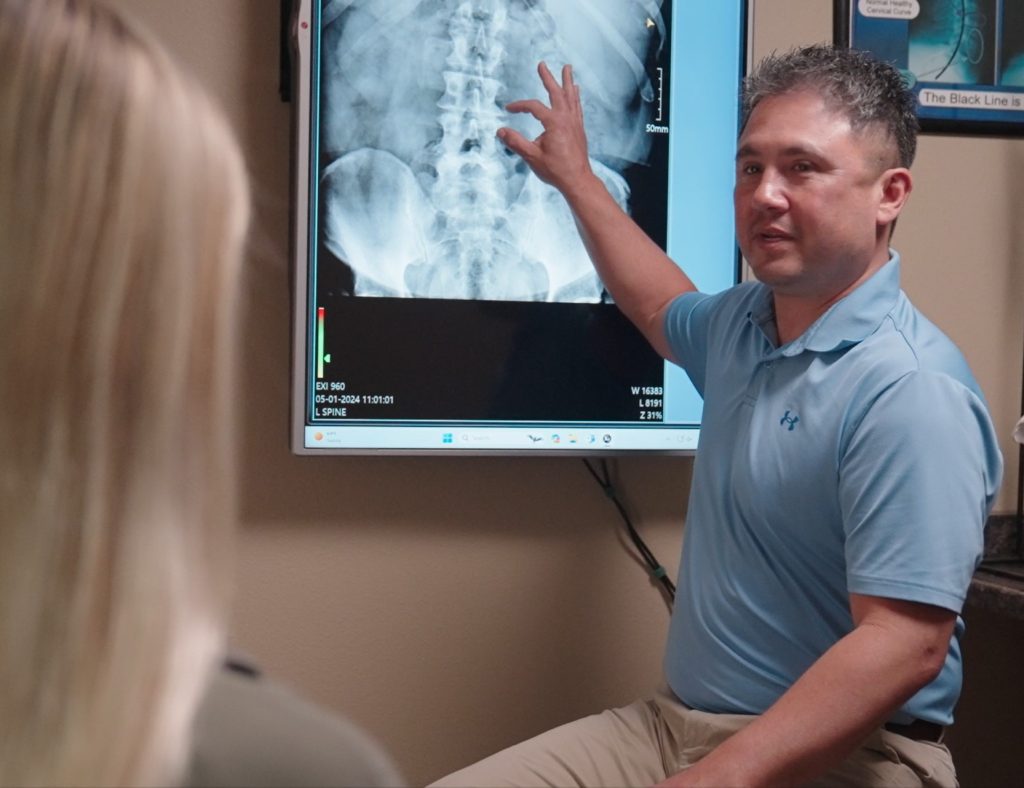
Thoroughness is a cornerstone of the diagnostic process. Dr. Ruesch takes the time to personally review X-rays with patients, ensuring they can see and understand the source of their pain. This transparency empowers individuals to take an active role in their recovery, knowing exactly what is causing their lower spine pain and how the proposed treatment plan addresses it.
Real Stories of Relief and Renewed Hope
Many in the community have found lasting relief from chronic lower spine pain through compassionate, dedicated care. Patients frequently share stories of transformation, noting that their experience with Gateway Chiropractic is by far the best treatment they have received.
Therapeutic Exercises and Stretches for a Stronger Back
Core Strengthening for Spinal Support
Building a strong core is essential for supporting the lower spine. Simple exercises that target the abdominal and back muscles create a natural “corset” that stabilizes the spine during movement. Engaging in regular core strengthening routines helps distribute weight more evenly, reducing the burden on the lower back and minimizing the risk of re-injury.
Gentle Stretches to Relieve Tension
Tight muscles often contribute to lower back discomfort, but gentle stretching can offer significant relief. Safe and effective movements, such as the knee-to-chest stretch or the cat-cow pose, help release tension in the lower back and hips. Incorporating these stretches into a daily routine can improve flexibility and reduce the stiffness that often accompanies lower spine pain.
The Importance of Consistency
While knowing the right exercises is important, performing them consistently is key to seeing results. Making these gentle movements a regular part of the day builds resilience and keeps lower back pain at bay. Even a few minutes of dedicated stretching and strengthening each morning can accumulate to provide substantial long-term benefits for spinal health.
Lower Spine Pain Treatment Service
The Healing Power of Physical and Massage Therapy
Hands-On Healing with Massage
Targeted massage therapy offers a hands-on approach to pain management. Skilled therapists can manipulate the soft tissues of the back to release tight knots, improve blood flow, and promote relaxation. This increased circulation brings healing nutrients to the affected area, helping to reduce the pain and muscle guarding often associated with lower spine issues.
Guided Movement with a Physical Therapist
A physical therapist plays a crucial role in designing a personalized recovery program. By assessing individual movement patterns, strength, and flexibility, a therapist can create a regimen that targets specific deficits. This guidance ensures that exercises are performed correctly and safely, improving body mechanics and fostering lasting pain management strategies.
Techniques Like Ultrasound and TENS
Physical therapy often incorporates various therapeutic modalities to enhance recovery. Techniques such as ultrasound therapy use sound waves to generate deep heat in tissues, promoting healing and relaxation. Similarly, Transcutaneous Electrical Nerve Stimulation (TENS) units can help manage pain by sending gentle electrical impulses to the nerves, interrupting pain signals and reducing muscle spasms.
Lifestyle Modifications That Make a Big Impact
Creating an Ergonomic Workspace
Given how much time is spent sitting, setting up an ergonomic workspace is vital. Ensuring that the chair supports the lower back, the feet rest flat on the floor, and the computer screen is at eye level can prevent unnecessary strain. These simple adjustments encourage good posture and significantly reduce the cumulative stress placed on the lower spine during the workday.
The Connection Between Diet and Inflammation
What is put into the body can influence how it feels. Incorporating anti-inflammatory foods into the diet can help soothe the body from the inside out. Foods rich in omega-3 fatty acids, such as fatty fish, along with leafy greens and berries, fight systemic inflammation, potentially reducing the severity of pain in the lower back.
Mindful Movement in Daily Activities
How one moves throughout the day matters just as much as structured exercise. Learning proper mechanics for lifting heavy objects—bending at the knees and keeping the item close to the body—protects the spine from injury. Additionally, being mindful of sleep positions, such as placing a pillow between the knees for side sleepers, ensures the lower spine remains supported during rest.
Alternative Therapies for Holistic Pain Management
Acupuncture for Natural Pain Relief
Acupuncture offers an ancient approach to modern pain relief. This practice involves inserting thin needles into specific points on the body to stimulate the nervous system. This stimulation is believed to trigger the release of the body’s natural painkillers, known as endorphins, and improve blood flow, helping to relax tense muscles in the lower back.
Mind-Body Practices like Yoga and Tai Chi
Gentle forms of exercise like yoga and Tai Chi combine movement, breathing, and meditation to support holistic health. These practices improve flexibility and balance while also reducing stress, which can exacerbate pain perception. The slow, controlled movements are particularly beneficial for those with lower spine pain, offering a safe way to stay active without high impact.
Heat and Cold Therapy: A Simple First Aid
Heat and cold therapy remain simple yet effective tools for managing flare-ups. A heating pad works well to relax tight muscles and improve blood flow, making it ideal for stiff, aching backs. Conversely, a cold pack is best used to reduce acute inflammation and numb sharp pain following a sudden injury or intense activity.
Lower Spine Pain Treatment Specialist
Taking Control: Your Next Steps Toward a Pain-Free Life
The Importance of a Proper Diagnosis
Before embarking on any treatment plan, obtaining an accurate diagnosis is essential. Lower spine pain can stem from various causes, and understanding the specific origin ensures that the chosen therapies will be effective. A professional evaluation provides the clarity needed to target the issue correctly rather than just masking symptoms.
How to Find a Provider You Trust
Finding the right healthcare partner is a critical step in the healing journey. Researching local chiropractors or therapists involves reading patient reviews, checking credentials, and asking for recommendations from friends or family. A trustworthy provider will prioritize patient comfort, explain treatments clearly, and demonstrate a genuine commitment to improving health outcomes.
Building Your Personal Pain Relief Toolkit
Empowerment comes from having options. By combining different non-surgical approaches—such as chiropractic care, therapeutic exercise, and lifestyle changes—a comprehensive, personalized plan can be created. This “toolkit” allows for a proactive approach to health, ensuring that strategies are in place to manage pain effectively and maintain a high quality of life.
Your Path to Relief Starts Today
We’ve walked through the many gentle yet powerful non-surgical solutions available for lower spine pain, from chiropractic care and therapeutic exercise to simple lifestyle changes. You have options, and relief is within reach.
You don’t have to let lower spine pain control your life. Take a positive step forward by scheduling a consultation with a trusted local provider, like Gateway Chiropractic, to explore your options. Share this article with someone you care about who is also looking for a path to relief.
Gateway Chiropractic
https://maps.app.goo.gl/GxjYazVHnGYNgG8b8
4070 W Spencer St, Appleton, WI 54914
(920) 944-6371
http://gatewaychiro.com/