
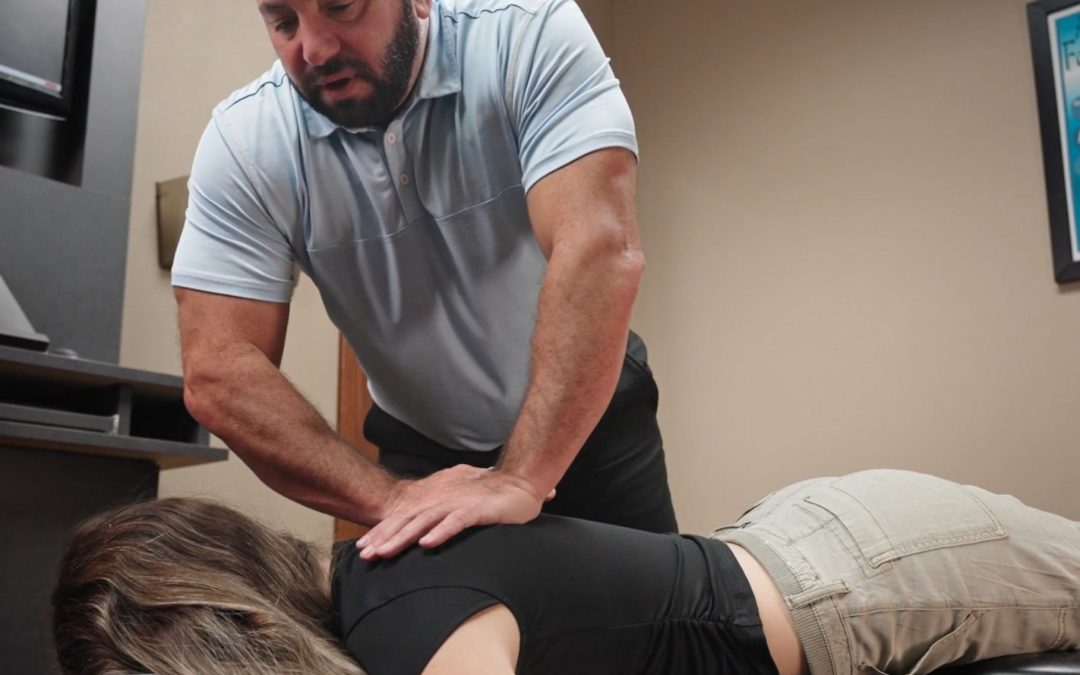
Local Guide: Corrective Chiropractor Near Me and What Sets Them Apart From Traditional Care
Back pain, neck stiffness, and chronic headaches are common problems that many people try to solve with quick fixes like pain medication or temporary adjustments. While these methods may offer short-term relief, the pain often returns because the underlying issue isn’t addressed.
This is where corrective chiropractor near me differs from traditional methods. Instead of just managing symptoms, corrective care aims to identify and permanently fix the root structural cause of your pain. If you’re tired of temporary solutions, this guide will explain what corrective chiropractic is, how it works, and how to find a provider who can offer lasting relief.
Understanding Corrective Chiropractic Care
To appreciate the value of corrective care, we first need to understand the philosophy behind it. Most people associate chiropractors with “cracking backs.” While spinal manipulation is a tool used in corrective care, the goal is far more specific than just mobilizing a stuck joint.
Corrective chiropractic focuses on the structure of the spine. The spine is the central highway for your nervous system, protecting the spinal cord which transmits signals from your brain to every organ, tissue, and cell in your body. When the spine is misaligned—a condition known as subluxation—it doesn’t just cause back pain; it interferes with nerve function. This interference can manifest in surprising ways, from digestive issues and asthma to chronic fatigue and lowered immunity.
The objective of corrective care is to restore the spine to its optimal structural alignment. Think of it like orthodontics for your back. Just as braces slowly shift teeth into a healthy, straight position over time, corrective chiropractic uses precise adjustments and exercises to reshape the spine. This restoration of the spine’s natural curves reduces tension on the spinal cord and nerves, allowing the body to heal and function as it was designed to.
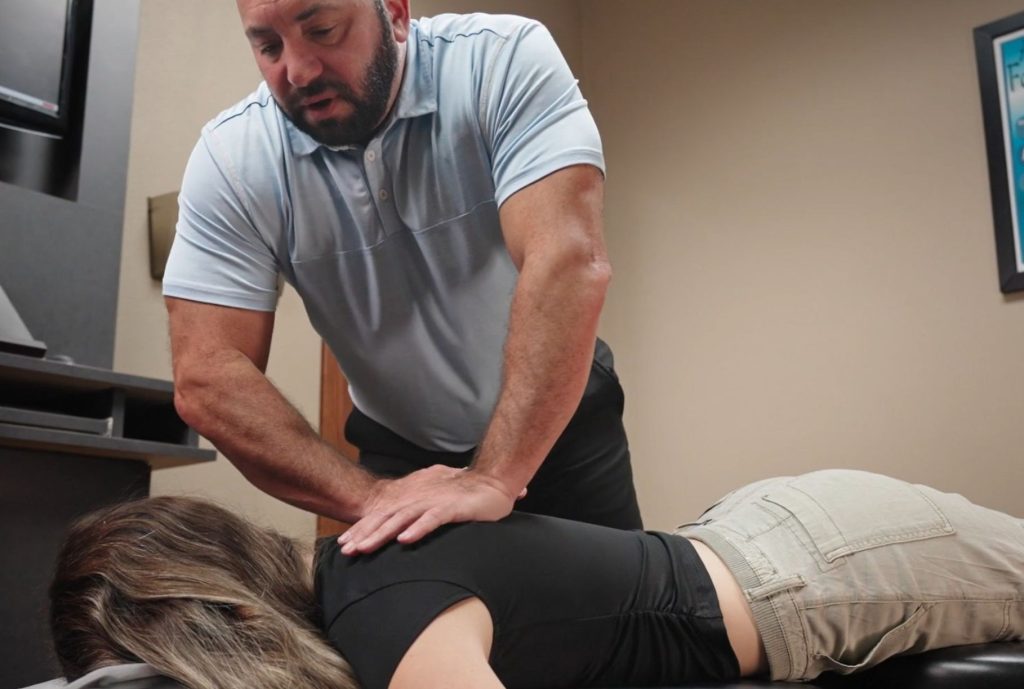
Corrective Chiropractic Care
The Benefits of a Structural Approach
The benefits of this structural approach extend far beyond pain relief. When nerve interference is removed, the body’s innate ability to heal is unleashed. Patients often report improvements in areas they didn’t even realize were connected to their spinal health.
- Long-Term Pain Relief: By fixing the structural issue, the source of the pain is removed, rather than just dampened.
- Improved Posture: Structural correction naturally leads to better posture, reducing strain on muscles and ligaments.
- Enhanced Organ Function: Better nerve supply means organs can function more efficiently.
- Increased Energy: Chronic pain and structural imbalances drain energy. Correcting these issues frees up bodily resources.
- Prevention of Degeneration: A misaligned spine wears down faster, leading to arthritis and disc degeneration. Corrective care halts and can even reverse this process.
Corrective vs. Traditional Chiropractic: What’s the Difference?
If you were to walk into a traditional chiropractor’s office versus a corrective chiropractor’s office, you might notice some similarities—adjustment tables, anatomical charts, and friendly staff. However, the patient journey and the treatment plans look quite different.
Traditional Chiropractic (Relief Care)
Traditional chiropractic care is often referred to as “relief care” or “symptom-based care.” The primary goal here is to reduce pain and discomfort.
- Focus: Immediate symptom reduction. If your lower back hurts, the chiropractor adjusts the lower back to relieve pressure and increase mobility.
- Assessment: Exams are usually brief, focusing on the area of complaint. X-rays may or may not be taken.
- Treatment Duration: Care is often episodic. You go when you hurt, and you stop going when the pain subsides.
- Outcome: Temporary relief. The pain often returns because the underlying structural misalignment hasn’t been fully addressed.
This type of care has its place. It is excellent for acute injuries or for those seeking a quick tune-up. However, for chronic issues or long-term health optimization, it often falls short because it manages the effect (pain) without fully resolving the cause (structural shift).
Corrective Chiropractic (Structural Care)
Corrective care operates on a different paradigm. The chiropractor views the spine as a complete system that needs to be structurally sound to support optimal health.
- Focus: Structural restoration and optimal nerve function. The goal is to return the spine to its normal alignment and curvature.
- Assessment: Examinations are comprehensive. They almost always include detailed digital X-rays to visualize the exact structure of the spine and identify specific misalignments. Postural analysis and nerve scans are also common.
- Treatment Duration: Care follows a specific plan, much like an orthodontic treatment plan. It involves a series of adjustments combined with specific rehab exercises over a set period. Progress exams and post-treatment X-rays are used to verify structural changes.
- Outcome: Long-term correction and stability. The aim is to fix the problem so that the patient doesn’t need to rely on frequent adjustments forever.
The fundamental difference lies in the reliance on objective data. Corrective chiropractors don’t just feel for tight muscles; they measure the spine’s angles and curves against established normals. They track progress not just by how you feel, but by how your X-rays change.

Corrective Chiropractic Treatment
What to Look for in a Corrective Chiropractor Near You
Searching for “chiropractor near me” will yield dozens of results, but filtering for a corrective chiropractor requires a bit more investigation. Here are the key indicators that a clinic practices true corrective care.
Comprehensive Digital X-Rays
This is the most critical differentiator. A corrective chiropractor cannot guess about the structure of your spine; they must see it. Be wary of any practitioner claiming to do corrective work without taking X-rays first. They should take images before starting care to diagnose the problem and after a period of care to measure the structural changes.
A Detailed Treatment Plan
You shouldn’t walk out of your first visit with a vague instruction to “come back when you hurt.” A corrective chiropractor will analyze your X-rays and exam results to create a customized treatment plan. This plan should outline the frequency of visits, the duration of the initial phase of care, and the specific goals you are working toward.
Objective Measurements
Look for a clinic that talks about degrees, curves, and alignment. They should explain “normal” spinal values versus your current values. For example, the neck should have a specific C-shaped curve (lordosis). A corrective chiropractor will measure your current curve and set a goal to restore it closer to the ideal arc.
Integration of Rehab Exercises
Structural correction rarely happens through adjustments alone. Muscles and ligaments have “memory,” and they will pull the spine back into its old, unhealthy pattern if not retrained. Corrective care almost always involves specific spinal exercises (like traction or strengthening movements) that you do in the clinic or at home to support the adjustments.
Educational Approach
A corrective chiropractor wants you to understand why you are in pain and how the treatment works. They typically invest time in patient education, offering workshops or detailed report-of-findings appointments where they explain your X-rays and the connection between your spine and your overall health.
Spotlight on Gateway Chiropractic
When looking for exemplary corrective care, Gateway Chiropractic stands out as a prime example of this methodology in action. Their approach encapsulates the rigorous, results-oriented focus that defines the best of corrective chiropractic.
At Gateway Chiropractic, the patient experience begins with a deep dive into health history and a thorough structural analysis. They don’t just ask where it hurts; they ask how your body is functioning as a whole. Do you have trouble sleeping? Digestive issues? Brain fog? They understand that these can all be downstream effects of spinal misalignment.
Their diagnostic process utilizes state-of-the-art imaging to pinpoint exact subluxations. This removes the guesswork. When you view your X-rays at Gateway Chiropractic, the doctors take the time to explain exactly what is happening in your spine. You can see the loss of curvature in the neck or the tilt in the pelvis that is causing your sciatica.
What truly sets Gateway Chiropractic apart is their commitment to measurable results. They don’t rely solely on subjective reports of pain relief. They conduct periodic re-evaluations to track structural changes. Seeing the “before” and “after” X-rays provides patients with tangible proof that their spine is healing and correcting. This objective evidence is empowering—it shows that you aren’t just managing a condition, but actively reversing it.
Furthermore, Gateway Chiropractic emphasizes the partnership between doctor and patient. They provide the tools and knowledge necessary for patients to maintain their correction at home. This might involve specific posture exercises or lifestyle advice to prevent future subluxations. Their goal isn’t to create a dependency on care, but to build a foundation of health that lasts a lifetime.
How Corrective Chiropractic Improves Overall Well-Being
It is easy to compartmentalize health—to see a headache as a head problem or heartburn as a stomach problem. Corrective chiropractic challenges this view by centering the nervous system. Since the nervous system controls every function in the body, structural integrity of the spine is paramount for overall well-being.
Enhanced Nervous System Communication
Imagine your nervous system as a complex wiring system in a house. If a fuse is blown or a wire is pinched, the appliances connected to that circuit won’t work correctly. The light might flicker, or the fridge might stop cooling. In the body, if a vertebra is misaligned and putting pressure on a nerve root, the organ at the end of that nerve acts up.
Correcting the spine clears these pathways. Patients undergoing corrective care often report that “secondary” symptoms disappear. Someone coming in for lower back pain might find their constipation resolves. A patient seeking help for neck tension might notice their anxiety levels drop. This is the power of a fully functioning nervous system.
Prevention of Decay and Arthritis
Wolff’s Law states that bone remodels in response to the stress placed upon it. When the spine is misaligned, gravity places uneven stress on the vertebrae and discs. Over time, the body responds by depositing calcium in these stressed areas—this is the beginning of bone spurs and arthritis.
By restoring normal alignment, corrective chiropractic distributes gravity’s load evenly across the spine. This stops the accelerated decay process. For younger patients, this is preventative. For older patients, it can halt the progression of degeneration, preserving mobility and quality of life.
Psychological and Emotional Health
Chronic pain is exhausting. It drains mental resources, leads to irritability, and can contribute to depression. Furthermore, a nervous system that is constantly under stress (fight or flight mode) due to spinal irritation can lead to heightened anxiety and trouble sleeping.
Correcting the spine can shift the body from a sympathetic (fight or flight) dominance to a parasympathetic (rest and digest) state. This promotes better sleep, improved mood, and a greater sense of calm. When your physical structure is stable, your mental and emotional resilience often follows suit.
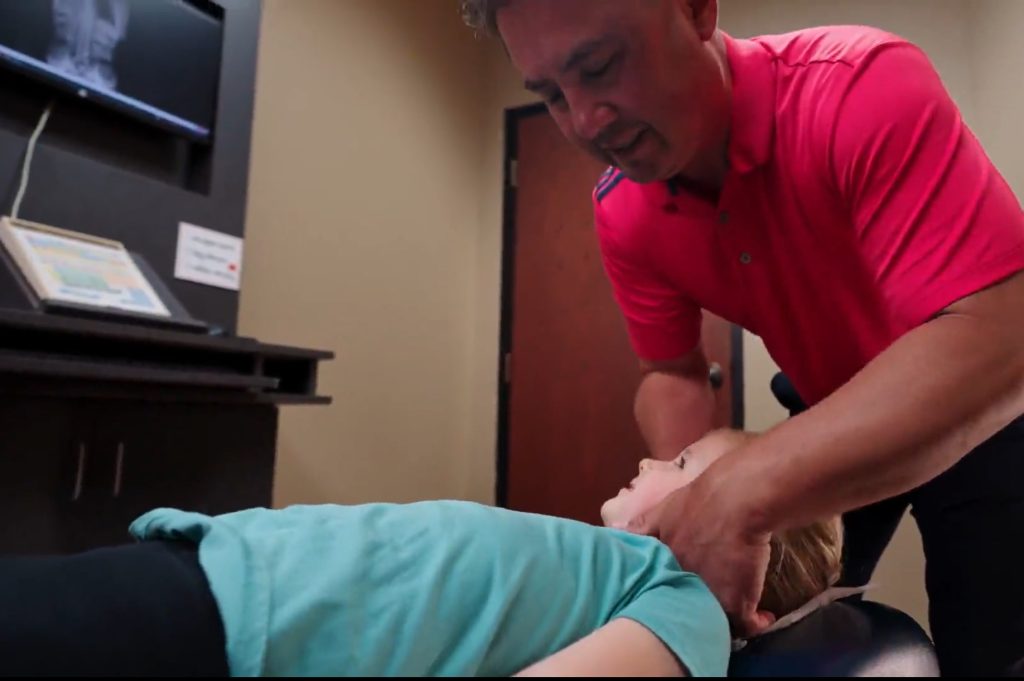
Corrective Chiropractic Treatment Provider
Taking the Next Step Toward Health
If you are tired of the cycle of temporary relief and recurring pain, or if you simply want to ensure your body is functioning at its absolute peak, corrective chiropractic offers a clear path forward. It moves beyond the “band-aid” approach of traditional symptom management and targets the root cause of dysfunction.
Finding a corrective chiropractor near you involves looking for the right signs: comprehensive imaging, detailed treatment plans, and a focus on structural goals. It requires a provider who sees you as a whole person, not just a collection of symptoms.
Gateway Chiropractic embodies this philosophy, offering a rigorous, evidence-based approach to spinal health. Their dedication to structural correction helps patients achieve lasting results, preventing future degeneration and unlocking the body’s full healing potential.
Gateway Chiropractic
https://maps.app.goo.gl/GxjYazVHnGYNgG8b8
4070 W Spencer St, Appleton, WI 54914
(920) 944-6371
http://gatewaychiro.com/