
Migraine Treatments Kimberly WI
For anyone who has experienced a migraine, the difference between a standard headache and a true migraine attack is painfully clear. It is not just about head pain; it is a comprehensive, full-body event that can derail plans, affect work performance, and leave individuals retreating to a dark, quiet room for days at a time. The throbbing intensity, often accompanied by debilitating nausea and extreme sensitivity to light, makes simply functioning a significant challenge. Living with this condition can feel isolating, but residents of Kimberly, WI, should know that relief is accessible and effective management is possible.
The Kimberly community offers a variety of resources for those seeking to reclaim their days from chronic pain. From specialized medical practitioners to holistic wellness centers, the local area provides a robust network of support. Navigating the options can feel overwhelming when you are in the midst of pain, but understanding the landscape of available care is the first step toward long-term relief.
This comprehensive guide aims to explore the spectrum of migraine treatments available right here in Kimberly. It covers everything from understanding the root causes and recognizing symptoms to exploring pharmaceutical options, natural therapies, and the supportive, transformative role of chiropractic care.
Understanding Migraines: Causes and Triggers
Genetic Factors: How Family History Influences Risk
Does it feel like migraines run in the family? Research suggests that genetics play a significant role in susceptibility to these debilitating headaches. If one or both parents suffer from migraines, the likelihood of their children experiencing them increases significantly. This indicates a strong hereditary link in how the brain processes pain signals and reacts to environmental stimuli. Understanding your family history can be a powerful tool in diagnosis, helping healthcare providers in Kimberly determine if the condition is primary—meaning the headache itself is the main issue—rather than secondary to another health problem.
Environmental Triggers: Weather, Light, and Sound
The environment often acts as a silent catalyst for pain, especially in regions with distinct seasonal changes like Wisconsin. Many patients report that drastic shifts in barometric pressure, common during Midwest storms or the volatile transition from winter to spring, can set off an attack. These pressure changes affect the pressure within the sinus cavities and the inner ear, potentially triggering a neurological response. Beyond the weather, sensory stimuli play a massive role.
Lifestyle Triggers: Diet, Sleep, and Stress
Daily habits and routines frequently dictate the threshold for migraine onset. The body craves consistency. Irregular meal schedules can lead to drops in blood sugar that trigger headaches. Dehydration is another common culprit; even mild dehydration can affect blood volume and oxygen delivery to the brain. Consuming specific foods like aged cheeses, red wine, dark chocolate, and processed meats containing nitrates are well-documented dietary triggers for many.
Migraine Treatments Kimberly WI
Common Symptoms of Migraines
Aura and Visual Disturbances
For about one-third of migraine sufferers, the attack begins before the pain sets in, during a phase known as “aura.” This neurological phenomenon often manifests as visual disturbances. Individuals might see flashing lights, zigzag lines, shimmering arcs, or temporary blind spots that slowly expand across their field of vision. Some may experience sensory auras, such as tingling in the arm or face.
Pain Patterns: Identifying Intensity and Location
The pain associated with a migraine is distinctively different from tension or sinus headaches. It is often described as a pulsing or throbbing sensation, similar to a heartbeat pounding inside the head. It typically localizes on one side of the head, though it can shift sides or affect the entire head in severe cases. The intensity is usually moderate to severe and is frequently aggravated by routine physical activity.
Associated Symptoms: Beyond the Headache
A migraine is a systemic neurological event, meaning the symptoms extend far beyond head pain. Many individuals experience debilitating nausea or vomiting, which can complicate the ability to take oral medication effectively and lead to further dehydration. Extreme sensitivity to light (photophobia) and sound (phonophobia) drives sufferers to seek dark, silent environments. Additionally, a profound sense of fatigue, confusion, or “brain fog” can linger for hours or even days after the pain subsides
Over-the-Counter Migraine Treatments
Pain Relievers: Acetaminophen, Ibuprofen, and Naproxen
For mild to moderate attacks, non-prescription analgesics are often the immediate go-to, readily available at any local pharmacy in Kimberly. Medications like acetaminophen work by elevating the body’s pain threshold, essentially making the brain less aware of the pain signals. Meanwhile, non-steroidal anti-inflammatory drugs (NSAIDs) like ibuprofen and naproxen target the inflammation associated with the headache, calming the swollen blood vessels causing the intracranial pressure.
Combination Medications: The Power of Caffeine
Formulas specifically labeled for “migraine relief” often combine aspirin, acetaminophen, and caffeine to boost effectiveness. Caffeine plays a specific, strategic role here; it acts as a vasoconstrictor. Since migraines often involve the dilation (widening) of blood vessels in the head, caffeine helps narrow them. Additionally, caffeine helps the body absorb the pain medication more quickly.
Proper Usage Tips: Avoiding Rebound Headaches
While over-the-counter medications are accessible, using them too frequently can lead to a complication known as medication-overuse headache or “rebound” headache. If acute pain relievers are used more than two or three times a week, the brain may become sensitized to them. This causes headaches to return with a vengeance once the medication wears off, creating a vicious cycle of pain and pill-taking. It is crucial to monitor usage carefully. If reliance on these medications increases, consulting a professional at a clinic like Gateway Chiropractic is recommended to explore other options.
Prescription Medications for Migraine Relief
Triptans: Aborting the Attack
When OTC medications fail to provide relief, doctors may prescribe triptans, a class of drugs designed specifically to abort a migraine in progress. These medications work by stimulating serotonin receptors in the brain, which causes the blood vessels to constrict and blocks pain pathways to the brainstem. Available in pills, nasal sprays, and injections, triptans are highly effective for many patients when taken early in the attack phase.
Preventive Medications: Breaking the Cycle
For those with chronic migraines occurring frequently throughout the month (typically four or more days), preventive medications aim to reduce the frequency and severity of attacks over time. Physicians might repurpose drugs originally developed for other conditions. For example, beta-blockers (heart medication) or anticonvulsants (seizure medication) help stabilize the nervous system. Antidepressants are also occasionally prescribed, as they can alter the levels of brain chemicals, like serotonin, which play a role in pain regulation.
Side Effect Management: Safety First
Every prescription medication carries a potential risk profile, ranging from drowsiness and weight changes to dizziness or nausea. Open communication with a healthcare provider in Kimberly is essential to finding a balance between symptom relief and manageable side effects. Patients are encouraged to start with low doses and increase gradually under medical supervision, ensuring the treatment plan improves quality of life without introducing new complications.
Migraine Treatment Service Kimberly WI
Natural and Holistic Approaches
Herbal Remedies and Supplements
Many sufferers seek relief through natural avenues, finding success with specific herbs and minerals known to support neurological health. Magnesium supplements, for instance, are widely recommended because magnesium deficiency is often linked to migraine occurrences, especially menstrual migraines. Herbs like feverfew and butterbur have also shown promise in clinical studies for reducing the frequency of attacks by lowering inflammation and preventing blood vessel spasms. Riboflavin (Vitamin B2) and Coenzyme Q10 are other supplements often suggested to boost cellular energy production in the brain.
Dietary Adjustments: Food as Medicine
Food can be medicine, and adopting an anti-inflammatory diet rich in omega-3 fatty acids, fresh fruits, and vegetables may help raise the threshold for migraine attacks. Omega-3s, found in fatty fish and flaxseeds, have natural anti-inflammatory properties. Conversely, identifying and eliminating personal food triggers is a cornerstone of holistic management. Common triggers include monosodium glutamate (MSG), artificial sweeteners like aspartame, and excessive caffeine.
Mind-Body Techniques: Calming the Storm
Since stress is a primary trigger for the majority of migraine sufferers, techniques that calm the nervous system are incredibly valuable. Practices like yoga and meditation encourage deep relaxation and reduce muscle tension, particularly in the neck and shoulders where headache pain often originates. Biofeedback takes this a step further by using electronic monitoring to teach patients how to consciously control physiological processes like muscle tension and skin temperature.
Lifestyle Modifications for Migraine Prevention
Sleep Hygiene: The Importance of Rhythm
The brain relies on predictable rhythms to function optimally, making sleep hygiene a non-negotiable aspect of migraine prevention. Going to bed and waking up at the same time every day—even on weekends—helps regulate the body’s internal clock. This consistency reduces the likelihood of “let-down” migraines that often occur when the stressful work routine is suddenly broken by sleeping in on a Saturday morning.
Stress Management: Reducing Tension
While eliminating stress entirely is impossible, changing how the body reacts to it can significantly impact migraine frequency. Incorporating regular deep breathing exercises, mindfulness practices, or simply setting boundaries to prevent overcommitment can lower cortisol levels. Taking time each day for quiet decompression allows the nervous system to reset, preventing the buildup of tension that leads to an attack.
Exercise and Hydration: Moving Toward Wellness
Regular, moderate aerobic exercise releases endorphins, which are the body’s natural painkillers and stress fighters. Activities like walking, swimming, or cycling can reduce the frequency of attacks, provided they are performed consistently. However, it is vital to stay hydrated. Dehydration is a swift and common trigger, so maintaining fluid intake before, during, and after exercise is crucial for keeping headaches at bay.
Advanced Treatments and Therapies
Botox for Migraines
For patients suffering from chronic migraines—defined as 15 or more headache days a month—Botox injections have become a widely accepted preventive treatment. The treatment involves injecting onabotulinumtoxinA into specific muscles of the forehead, scalp, neck, and shoulders. This effectively blocks the release of chemicals involved in pain transmission. This therapy is repeated every 12 weeks and has provided significant relief for many patients who previously found no respite with oral medications.
CGRP Inhibitors: A New Frontier
The development of Calcitonin Gene-Related Peptide (CGRP) inhibitors represents a major breakthrough in migraine-specific medicine. CGRP is a protein released around the brain during a migraine attack, causing intense inflammation and pain. These new medications, administered via monthly injections or daily pills, are designed to block this protein or its receptor.
Nerve Stimulation Devices
For those who prefer to avoid medication or cannot tolerate it, non-invasive neuromodulation devices offer a high-tech alternative. These wearable devices use magnetic or electrical pulses to stimulate the nerves involved in migraine pain, such as the trigeminal or vagus nerves. By altering nerve activity, these devices can treat acute attacks or prevent future ones, offering a drug-free path to relief.
Role of Chiropractic Care in Migraine Management
Spinal Alignment Benefits
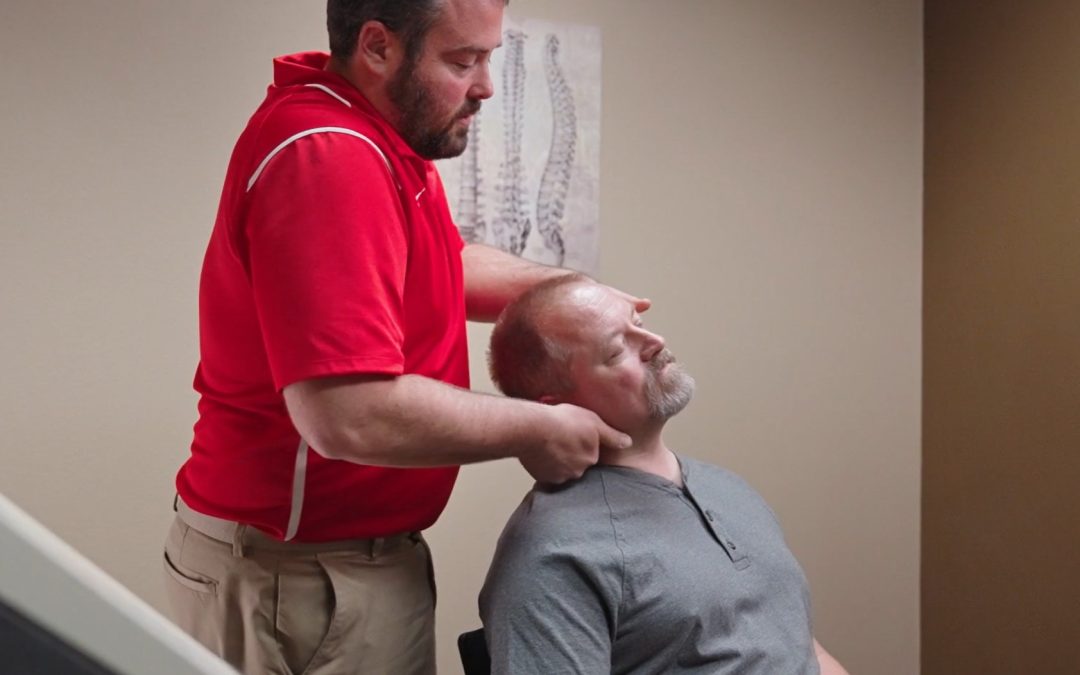
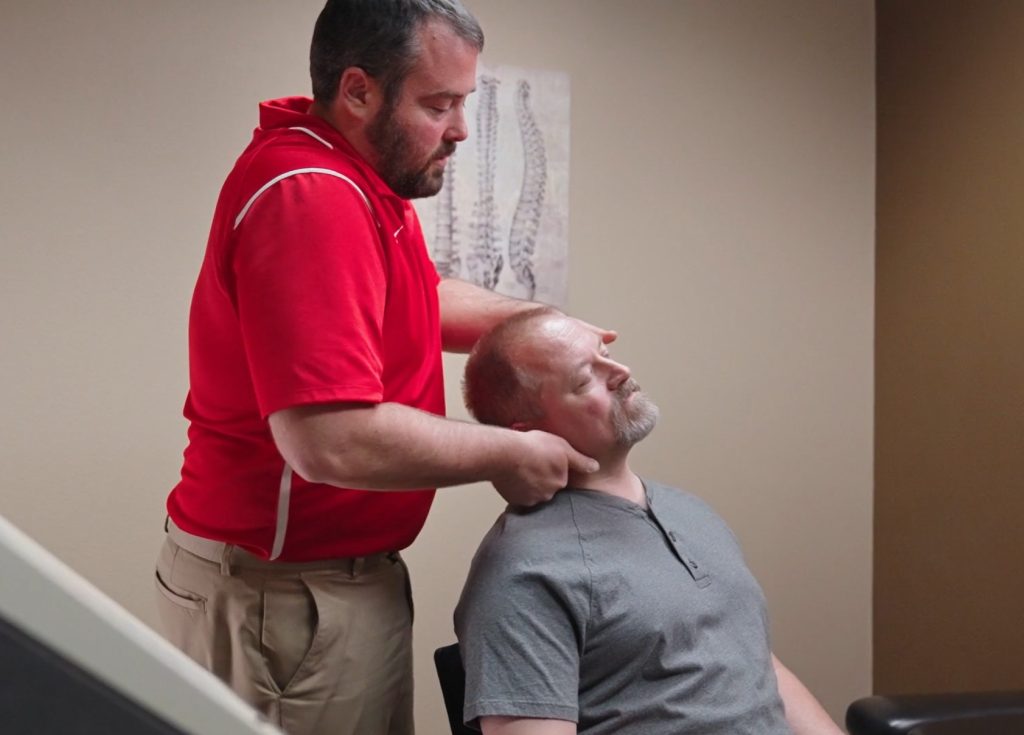
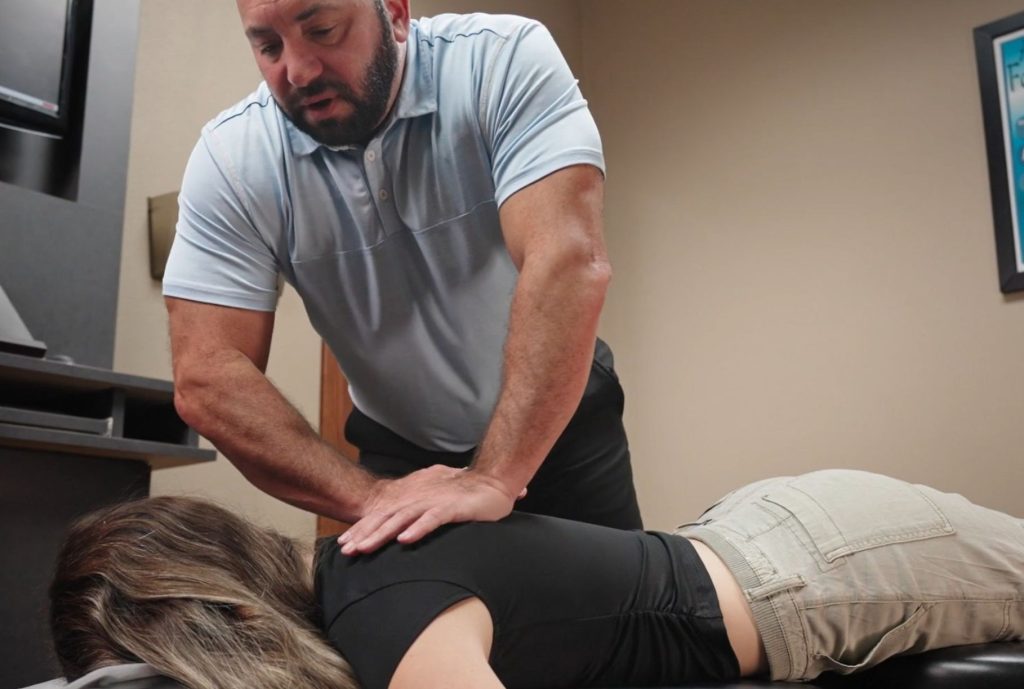
Misalignments in the spine, particularly in the upper cervical (neck) region, can create tension and interfere with proper nerve function. This structural stress often contributes to both tension headaches and migraines. Chiropractic adjustments aim to correct these subluxations, restoring proper alignment and improving the communication between the nervous system and the rest of the body. By removing this physical interference, the body is better equipped to regulate itself and reduce pain signals.
Holistic Pain Management
Chiropractic care often extends beyond the adjustment itself, encompassing a holistic view of the patient’s health. Practitioners frequently provide guidance on posture, ergonomics, and specific exercises to strengthen the neck and upper back. This helps the body hold adjustments longer and resist the daily physical stressors that can trigger headaches. This comprehensive approach aligns perfectly with other lifestyle modifications, creating a synergistic effect that supports long-term healing and resilience against future attacks.
Patient Experiences at Gateway Chiropractic
Residents in the Kimberly area seeking a supportive environment for their recovery often turn to Gateway Chiropractic. Patients at this local clinic frequently report significant improvements in their quality of life, noting that the personalized care plans help address the specific physical contributors to their migraines. By focusing on spinal health and overall wellness, the team at Gateway Chiropractic helps individuals transition from simply managing pain to actively thriving.

Migraine Treatment Service
When to Seek Medical Attention
Red Flag Symptoms
While most migraines follow a familiar pattern, certain symptoms warrant immediate medical evaluation to rule out other serious conditions. A headache that strikes suddenly and severely, often described as a “thunderclap” headache, or one accompanied by fever, stiff neck, confusion, or a rash, requires urgent attention. Additionally, any significant change in the typical pattern of headaches after the age of 50 should be discussed with a doctor to rule out secondary causes.
Specialist Consultations in Kimberly
If primary care treatments and lifestyle changes are not providing sufficient relief, it may be time to consult a specialist. The Kimberly area is home to skilled neurologists and headache specialists who have access to the latest diagnostic tools and treatment protocols. These experts can perform a detailed neurological exam and refine the treatment plan to address complex or resistant migraine cases.
Emergency Situations
In rare instances, symptoms resembling a migraine can indicate a medical emergency such as a stroke or meningitis. If headache pain is accompanied by weakness on one side of the body, difficulty speaking, vision loss, or a seizure, seek emergency care immediately. Prompt medical intervention is vital in these scenarios to prevent long-term damage.
Emerging Research and Future Treatments
Ongoing Clinical Trials
The field of migraine research is active and evolving, with numerous clinical trials currently underway to find better solutions. Researchers are investigating new drug delivery methods, such as rapid-absorption nasal powders and transdermal patches, to improve speed and efficacy for those who cannot take pills due to nausea.
Innovative Technologies
Artificial intelligence and machine learning are beginning to play a role in personalized migraine management. New apps and digital platforms are being developed to track individual triggers and predict attacks with greater accuracy, allowing for preemptive treatment. Furthermore, genetic testing is paving the way for pharmacogenomics, where medication choices are tailored to an individual’s specific genetic makeup for maximum effectiveness.
Patient Empowerment
The future of migraine care places the patient at the center of the decision-making process. With greater access to information and a wider array of treatment options than ever before, individuals are better equipped to advocate for their needs. Staying proactive, asking questions, and exploring new therapies empowers patients to build a management strategy that evolves with their life.
Conclusion
Migraines are complex and often overwhelming, but they do not have to dictate your life. Understanding the biological and environmental factors at play is the first step toward breaking the cycle of pain. By combining medical treatments with holistic approaches like diet changes, stress management, and expert chiropractic care, relief is not just a hope—it is a reachable goal.
If you are in the Kimberly area, remember that you do not have to face this challenge alone. There are compassionate professionals ready to help you navigate your options. Consider reaching out to local experts, such as the team at Gateway Chiropractic, to explore how personalized care can make a difference. Start tracking your triggers today, prioritize your well-being, and take the first step toward a clearer, pain-free tomorrow.